Organizations today are under constant pressure to do more with less, faster decisions, better outcomes, and stronger teams. But most leaders still rely on outdated reports and lagging indicators to manage people.
That’s where predictive workforce analytics is changing how decisions are made.
Instead of looking at what already happened, companies can now anticipate what’s coming next whether it’s performance dips, disengagement, or turnover risks. This shift is helping organizations move from reactive management to proactive strategy.
What Is Predictive Workforce Analytics?
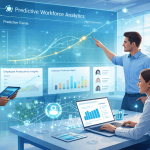
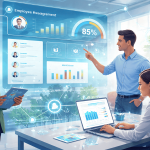
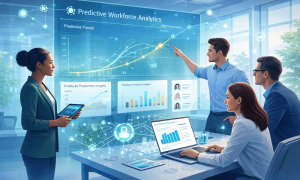
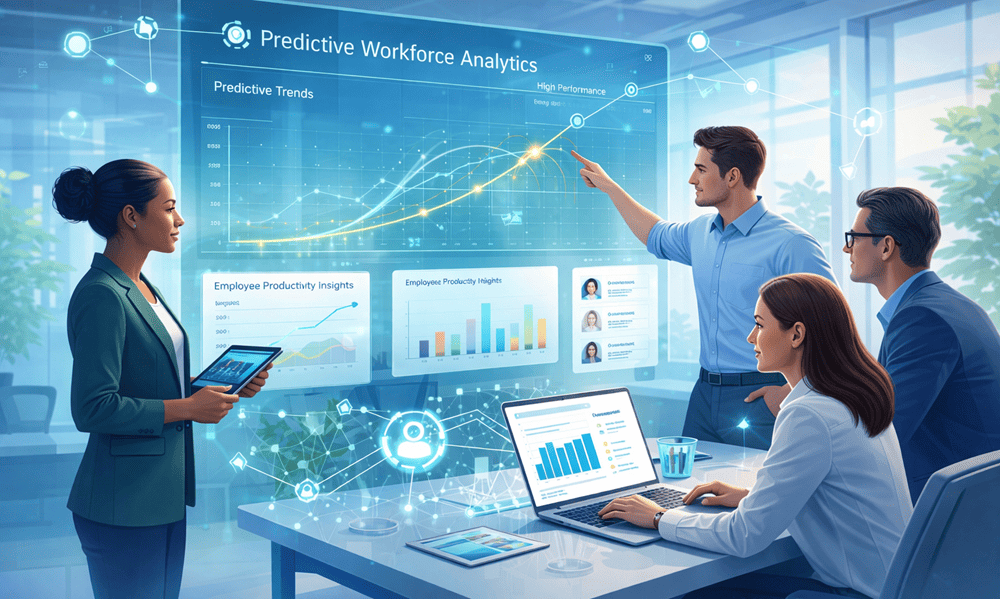
Predictive workforce analytics uses AI and data models to forecast employee behavior, performance trends, and workforce risks.
It pulls data from multiple sources such as:
- Performance reviews
- Attendance records
- Collaboration tools
- Employee feedback systems
Then it applies predictive HR analytics to identify patterns and predict future outcomes.
Unlike traditional HR data analytics, which explains past events, predictive models help leaders act before problems escalate.
Why Traditional Workforce Analytics Falls Short
Many companies already use dashboards and reports. But these tools often answer only one question: What happened?
That’s not enough in today’s fast-moving workplace.
According to Deloitte, organizations that use advanced analytics are 2x more likely to improve workforce performance outcomes.
Traditional workforce analytics tools often lack:
- Real-time insights
- Predictive capabilities
- Context across teams and roles
This creates blind spots in decision-making, especially when managing large or distributed teams.
How AI Improves Employee Performance
AI is not just about automation, it’s about smarter decision-making. When applied correctly, it can significantly improve how employees perform and grow.
1. Identifying Performance Trends Early
AI systems analyze behavior patterns across teams. They can detect early signals such as:
- Declining output
- Reduced engagement
- Increased error rates
These insights help managers act quickly, improving employee productivity insights before issues become serious.
2. Personalized Performance Management
Modern AI performance management systems go beyond annual reviews. They provide continuous feedback tailored to each employee.
For example:
- Suggesting skill development paths
- Recommending coaching sessions
- Adjusting workload based on capacity
This makes performance management more relevant and effective.
3. Data-Driven Goal Setting
AI helps organizations set realistic and measurable goals based on historical and real-time data.
Instead of generic targets, teams receive goals aligned with:
- Individual strengths
- Team capacity
- Business priorities
This improves accountability and drives better outcomes.
Core Use Cases of Predictive Workforce Analytics
To fully benefit from predictive workforce analytics, organizations need to apply it across key HR functions.
Workforce Planning and Forecasting
AI models can predict hiring needs, skill gaps, and future workload demands.
This helps companies:
- Avoid overstaffing or understaffing
- Plan budgets more accurately
- Align talent with business goals
Performance Optimization
Using performance optimization AI, organizations can identify what drives high performance.
This includes:
- Work patterns of top performers
- Collaboration behaviors
- Task prioritization strategies
These insights can then be scaled across teams.
Employee Experience Enhancement
AI can also improve how employees experience their work environment.
By using employee insights AI, companies can understand:
- What motivates employees
- What causes friction in workflows
- Where support is needed
This leads to a more supportive and productive workplace.
Tools and Technologies Behind Predictive Analytics
Choosing the right tools is essential for success. Not all workforce analytics tools offer predictive capabilities.
Here’s what to look for:
| Capability | Business Impact |
| Predictive modeling | Anticipates performance issues |
| Real-time data processing | Enables faster decisions |
| Integration with HR systems | Creates unified insights |
| AI-driven recommendations | Guides manager actions |
| Scalable dashboards | Supports enterprise use |
The goal is to move beyond reporting and into intelligent decision support.
The Link Between Analytics and Mental Health
Employee performance is closely tied to mental well-being. Ignoring this connection can lead to inaccurate conclusions.
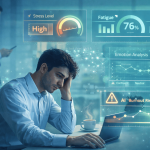
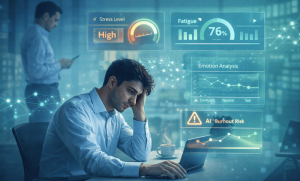
Advanced analytics platforms now include signals related to stress and burnout. This is where corporate mental health analytics becomes important.
By combining performance data with well-being insights, organizations can:
- Prevent burnout
- Improve engagement
- Maintain consistent productivity
Real-Time Productivity Tracking
One of the most practical applications of predictive analytics is tracking productivity in real time.
AI systems can analyze:
- Task completion rates
- Time spent on activities
- Collaboration frequency
These insights support better decision-making through AI employee productivity tracking, helping managers identify both high performers and those who may need support.
Measuring What Matters
Not all metrics are useful. Organizations often track too many KPIs without understanding their impact.
With predictive models, companies can focus on the right indicators, those that actually influence performance.
This includes:
- Output quality
- Engagement levels
- Workload balance
These insights align closely with workplace mental health metrics, ensuring that performance tracking does not ignore employee well-being.
Challenges in Implementing Predictive Analytics
While the benefits are clear, implementation requires careful planning.
Data Quality Issues
Poor or incomplete data can lead to inaccurate predictions.
Solution: Invest in clean, structured data systems.
Resistance to Change
Employees and managers may hesitate to trust AI-driven insights.
Solution: Combine AI recommendations with human judgment.
Privacy Concerns
Tracking employee data must be handled responsibly.
Solution: Use transparent policies and anonymized data where possible.
Real-World Example
A global consulting firm faced inconsistent performance across teams. Traditional reports didn’t explain the issue.
After adopting predictive workforce analytics, they discovered:
- Certain teams were overloaded
- Communication gaps affected delivery speed
- Burnout risks were higher in specific roles
By acting on these insights, they:
- Improved team productivity by 20%
- Reduced attrition
- Increased project delivery speed
This shows how predictive insights can translate into real business outcomes.
The Future of Workforce Analytics
The next phase of predictive workforce analytics will go deeper into personalization and automation.
We can expect:
- More accurate forecasting models
- Seamless integration with daily workflows
- Stronger alignment between performance and well-being
As AI continues to evolve, analytics will become less about reporting and more about guiding decisions in real time.
Final Thoughts
Managing employee performance without predictive insights is like driving while only looking in the rearview mirror.
Predictive workforce analytics gives leaders the ability to see ahead, to identify risks, improve performance, and support employees more effectively.
For organizations aiming to stay competitive, this is no longer optional. It’s a smarter way to manage people, improve outcomes, and build stronger teams.