
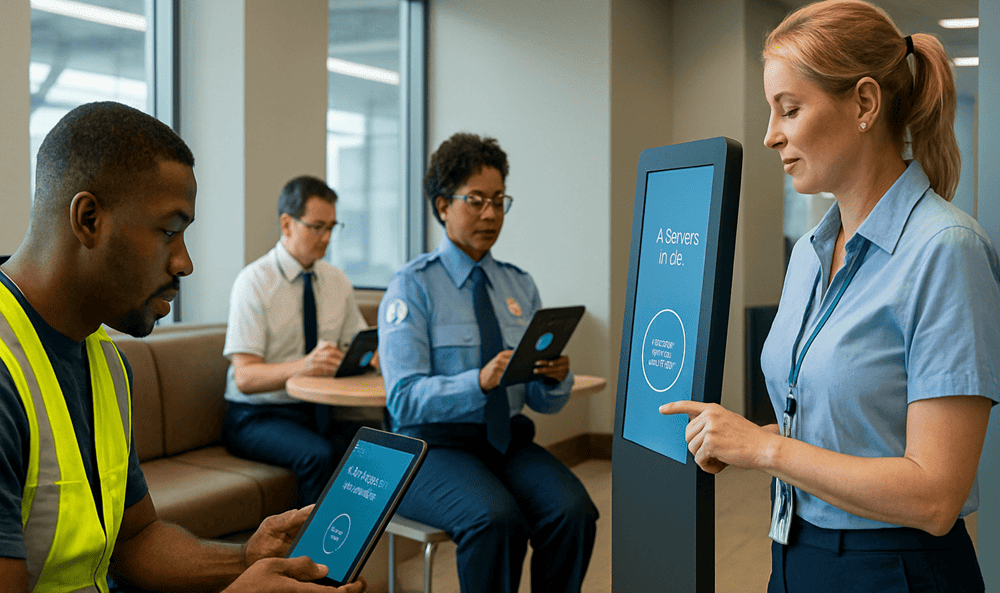
Working in an airport can be rewarding but also draining. From long hours and shift changes to high-pressure safety demands, airport staff wellbeing is a growing concern in aviation circles.
As leaders seek smarter, humane approaches, one path is gaining traction: AI mental wellbeing tools offering on-the-spot support and relief.
Why Airport Staff Wellbeing Matters
Airport staff from check-in counters to baggage handlers to air traffic coordinators face intense stress daily. According to industry data, aviation employees are:
- Exposed to irregular sleep cycles and schedules due to shift rotations.
- Often under time pressures, making split-second decisions.
- Impacted by customer frustrations, weather delays, and operational hiccups.
Such conditions may lead to increased stress, burnout, and mental fatigue. Prioritizing airport staff wellbeing isn’t just good ethics, it’s smarter operations. Healthy staff are more alert, kinder to passengers, and less prone to errors.
The Rise of AI in Mental Wellness

AI is no longer science fiction—it’s a practical support tool. Many organizations now offer AI for mental wellbeing systems designed to help employees manage stress in real time. These intelligent platforms can:
- Offer short, guided breathing or mindfulness sessions.
- Monitor stress patterns and suggest strategies.
- Provide privacy-first emotional support, without fear of judgment.
When thoughtfully implemented, such systems become silent allies always there, without replacing human empathy.
How AI Solutions Support Airport Staff
Let’s break down how an AI solution for stress works in an airport setting:
| Feature | What It Does | Value for Staff |
| Instant Micro-breaks | 1–2 min guided breathing or voice prompts | Quick mental reset between tasks |
| Stress Tracking | Patterns logged via pulse, voice, or self-report | Helps staff see trends and manage shifts |
| Personalized Recommendations | Suggest a walk, chat with peer, or journaling prompt | Tailored to individual needs |
| On-demand Support Chat | Anonymous emotional conversation with a bot | Safe, non-stigmatizing outlet |
These features let staff take small but meaningful breaks even during tight schedules.
Embedding AI within Established Workplace Culture
For leaders thinking about rolling out such systems, it must feel natural not forced.
- Keep roll-out simple. Maybe start with optional kiosk stations in break rooms or staff lounges.
- Train team leads so they can model use. Seeing cargo handlers or gate managers using the tool encourages others.
- Respect privacy. Ensure any tracking is anonymous and retains confidentiality.
Pairing AI with peer networks shelters airport staff from feeling isolated.
Industry Insight
Consider the story of a mid-sized European airport that introduced an AI mental wellbeing chat assistant in 2024. Over six months:
- Reported stress complaints dropped by nearly 20%.
- Staff engagement rose anonymous surveys showed a 15% increase in employees feeling “heard.”
- Many attributed this to scheduled micro-break reminders and the ability to check in emotionally without stigma.
These numbers suggest even minimal AI interventions lead to measurable benefits.
Human-Led, AI-Enhanced
AI is a tool not a replacement for human support. A robust wellness strategy includes:
- Counseling Access.
- Peer Support Programs.
- AI tools for real-time relief.
This blended approach respects human bonds while giving staff immediate support when they need it. The synergy is powerful.
Final Thoughts
Airport staff face unique stressors from early mornings to unsteady schedules and high-stakes responsibilities. AI offers a fresh way to support them:
- Flexible tools for quick mental resets.
- Data-driven insight into stress and recharge habits.
- A non-judgmental, always-available companion in daily work life.
When paired with strong human systems like counseling, peer groups, and leadership modeling, the difference can be substantial.
Leaders, consider piloting a mindful AI tool in one department. Track key indicators like absenteeism, morale, and staff feedback. You might find that a small digital nudge makes a marked difference.
With this thoughtful, human-centered approach, airports can evolve from fast lanes of stress to runways of wellbeing, one micro-break at a time.