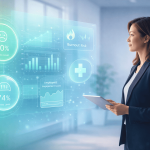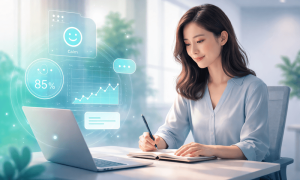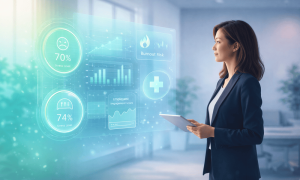
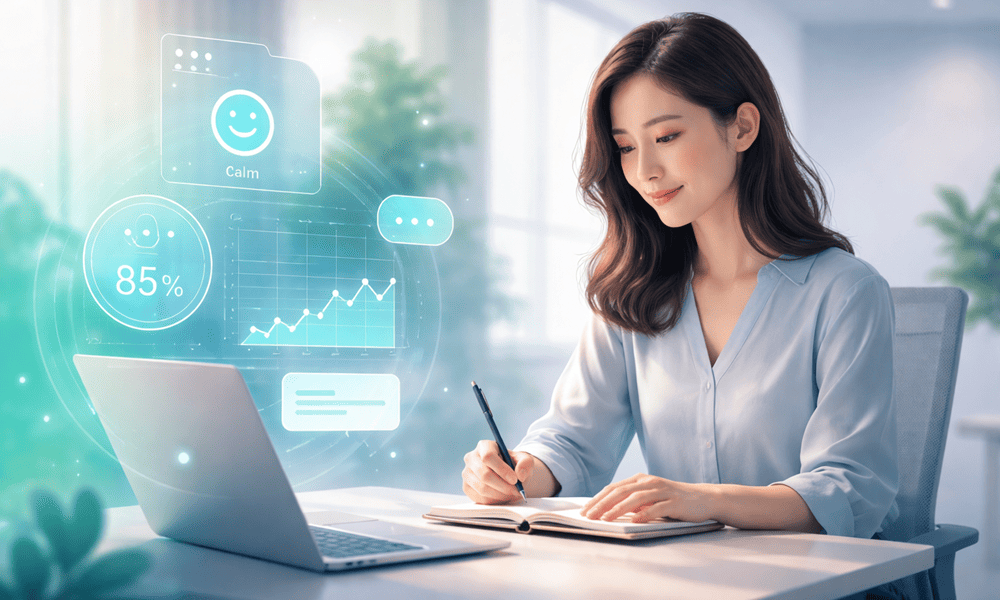
Modern workplaces reward visibility. Speaking up in meetings, networking confidently, and leading discussions are often seen as markers of success. But what about employees who prefer reflection over rapid-fire conversations? What about professionals who do their best thinking in quiet spaces?
Introversion is not a weakness. It’s a strength that, when supported correctly, drives innovation, focus, and deep problem-solving. Today, AI for introverted employees is transforming how organizations create inclusive environments where quiet performers can truly thrive.
This article explores how artificial intelligence is reshaping workplace support systems, reducing social pressure, and helping introverted professionals unlock their full potential.
Understanding Introversion in the Workplace
Introverted employees are often:
- Deep thinkers
- Strong listeners
- Highly focused
- Detail-oriented
- Creative problem solvers
However, many corporate environments unintentionally favor extroverted traits — quick responses, frequent speaking, and high social interaction. Over time, this can create workplace social anxiety, reduced confidence, and even burnout.
This is where AI employee wellbeing tools are making a real difference.
1. AI Reduces Workplace Social Anxiety
Meetings, presentations, and spontaneous discussions can be draining for introverted employees. Repeated exposure without structured support may lead to avoidance behaviors or decreased engagement.
Modern workplace social anxiety support systems powered by AI help in several ways:
✔ Real-Time Coaching Before Meetings
AI-based platforms provide pre-meeting preparation prompts:
- Suggested talking points
- Confidence-building scripts
- Practice simulations
✔ Digital Confidence Building Tools
AI tools offer low-pressure practice environments where employees can rehearse presentations or responses privately.
✔ Behavioral Pattern Insights
AI systems can detect stress patterns through interaction data and recommend structured coping strategies before anxiety escalates.
Organizations using AI mental health support at work are seeing a measurable drop in meeting-related stress among introverted staff.
2. AI Coaching for Introverts: Personalized, Private, Powerful
One of the biggest advantages of AI coaching is privacy.
Unlike traditional training sessions that require public participation, AI coaching for introverts offers one-on-one digital support available 24/7.
AI platforms can:
- Provide communication frameworks tailored to personality type
- Offer feedback on tone, clarity, and pacing
- Suggest strategies for structured participation
- Track confidence progress over time
This aligns strongly with AI for mental wellbeing, where personalization becomes the key driver of impact.
Instead of forcing behavioral change, AI adapts to the individual.
3. Introvert Productivity Strategies Powered by AI
Introverts often produce their best work in focused environments. However, constant collaboration requests and meeting overload can disrupt productivity.
AI-powered systems help by:
🧠 Intelligent Workload Optimization
AI can analyze task distribution and recommend:
- Deep work blocks
- Reduced interruption windows
- Asynchronous collaboration strategies
📊 Productivity Pattern Recognition
AI identifies when employees are most focused and schedules demanding tasks accordingly.
📅 Smart Calendar Management
AI suggests meeting-free hours or asynchronous alternatives when possible.
These introvert productivity strategies not only improve performance but also reduce emotional exhaustion.
4. Creating Inclusive Workplaces Through AI
True inclusion goes beyond hiring diverse personalities. It requires infrastructure that supports them.
Workplace inclusion technology now uses AI to:
- Monitor participation equity in meetings
- Suggest alternative communication channels (chat, written input)
- Track psychological safety indicators
- Provide confidential wellbeing check-ins
Many companies integrate AI CBT techniques to offer structured cognitive support for employees struggling with social discomfort.
This ensures introverted professionals are not overlooked simply because they speak less frequently.
5. AI Mental Health Support at Work
Long-term workplace social pressure can lead to:
- Chronic stress
- Reduced engagement
- Emotional fatigue
- Burnout
Digital platforms offering AI mental health support at work provide:
- Mood tracking
- Stress-level assessments
- Micro-interventions
- Guided mindfulness exercises
These tools complement Workplace mindfulness initiatives, allowing introverted employees to recharge without stigma.
Unlike traditional EAP programs that are reactive, AI-driven systems are proactive.
They detect early signals of disengagement and provide support before performance declines.
6. Boosting Confidence Without Changing Personality
A common misconception is that introverts must become extroverted to succeed. That is not true.
AI systems focus on:
- Enhancing structured communication
- Building clarity in messaging
- Strengthening preparation strategies
- Encouraging thoughtful participation
Digital confidence building tools allow introverts to contribute in ways that feel authentic.
For example:
- Written insights before meetings
- AI-generated summary prompts to help articulate ideas
- Follow-up reinforcement suggestions
This approach strengthens visibility without forcing personality shifts.
7. AI-Powered Mental Health Coach for Quiet Performers
Platforms such as an AI-powered mental health coach act as always-available support systems.
These coaches can:
- Provide daily reflection prompts
- Encourage micro-goal setting
- Reinforce positive communication habits
- Offer stress-relief exercises
The benefit? No judgment. No scheduling. No visibility pressure.
For introverted professionals, that privacy makes engagement far more likely.
8. Human + AI Coaching: A Balanced Model
While AI provides scalable support, combining it with structured human guidance creates even stronger outcomes.
The Human + AI coaching model allows:
- AI to monitor patterns continuously
- Human coaches to provide strategic guidance when needed
This hybrid system ensures introverted employees receive both emotional support and skill development in a safe framework.
9. Preventing Employee Stress Through Early Detection
AI tools also play a key role in Employee stress management strategies.
By analyzing communication tone, engagement metrics, and productivity signals, AI can identify:
- Declining participation
- Increased absenteeism
- Elevated stress indicators
Early alerts allow HR teams to intervene constructively rather than react to burnout.
For introverted employees who may not openly express distress, this proactive detection is especially valuable.
10. The Organizational Impact
Supporting introverted employees is not just a wellbeing initiative — it’s a performance strategy.
Companies that implement AI-driven support systems report:
- Higher retention among thoughtful contributors
- Improved meeting effectiveness
- Reduced burnout risk
- Better cross-functional collaboration
- Stronger innovation outcomes
Introverted employees often hold deep domain expertise. When given the right environment, they deliver extraordinary value.
Why AI for Introverted Employees Matters Now
The rise of hybrid work has amplified social demands:
- More virtual meetings
- Increased digital communication
- Constant visibility expectations
Without proper systems in place, introverted employees may feel overwhelmed.
AI for introverted employees creates a structured, supportive environment where:
- Confidence grows gradually
- Communication becomes strategic
- Productivity remains sustainable
- Mental wellbeing stays protected
It shifts the narrative from “fixing introversion” to “optimizing strengths.”
The Future: Quiet Strength Meets Intelligent Support
As AI evolves, we will see more:
- Emotion-aware platforms
- Personalized confidence analytics
- Predictive stress monitoring
- Adaptive communication coaching
Organizations that embrace these tools early will build cultures that reward both voices and ideas — not just volume.
Final Thoughts
Introverted employees are not underperformers. They are often under-supported.
With the right digital infrastructure — from AI employee wellbeing tools to intelligent coaching systems — companies can unlock hidden strengths across their workforce.
The future of workplace performance is not louder.
It is smarter.
And with AI leading the way, quiet professionals can finally thrive on their own terms.