
psychological safety at work

Building Psychological Safety at Work: Practices That Actually Work

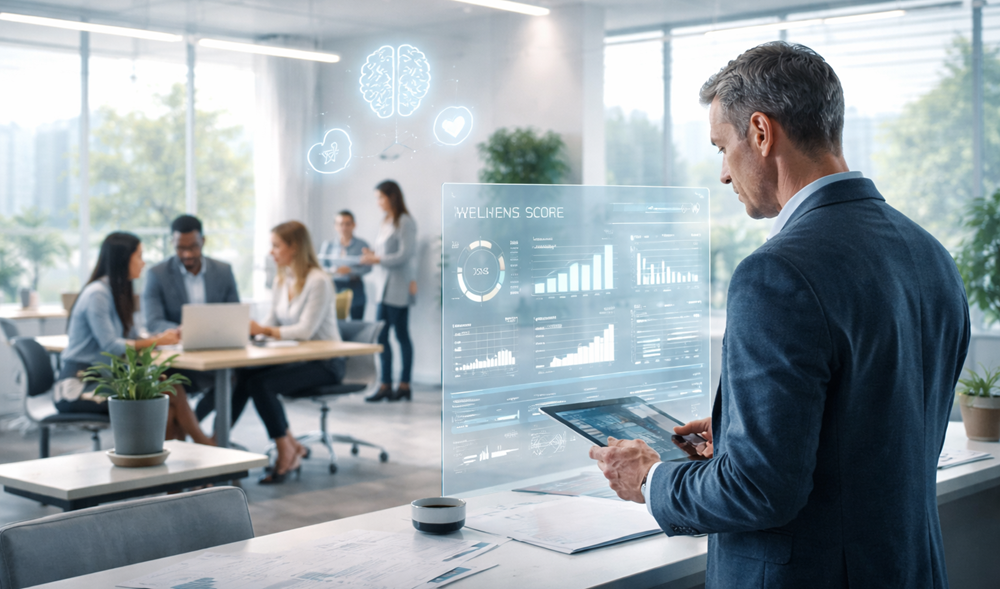
In many organizations, performance issues are discussed openly. Mistakes, however, are not. Questions are often left unasked. Feedback gets softened or avoided. Over time, this silence becomes expensive. This is where psychological safety at work becomes a defining factor for sustainable performance. In 2026, business leaders are realizing that trust, openness, and emotional security are […]
Read More
Employee Wellness Programs 2026

The ROI of Employee Wellness Programs in 2026: What Business Leaders Need to Know

Employee wellbeing is no longer a “nice-to-have” line item in HR budgets. In 2026, employee wellness programs are being scrutinized the same way leaders evaluate technology investments, operations spend, and growth initiatives. Business owners now ask a sharper question: What is the real return on this investment? This shift is happening for a simple reason. […]

Read More
EAP analytics

AI-Driven EAP Usage Analytics for HR & People Leaders

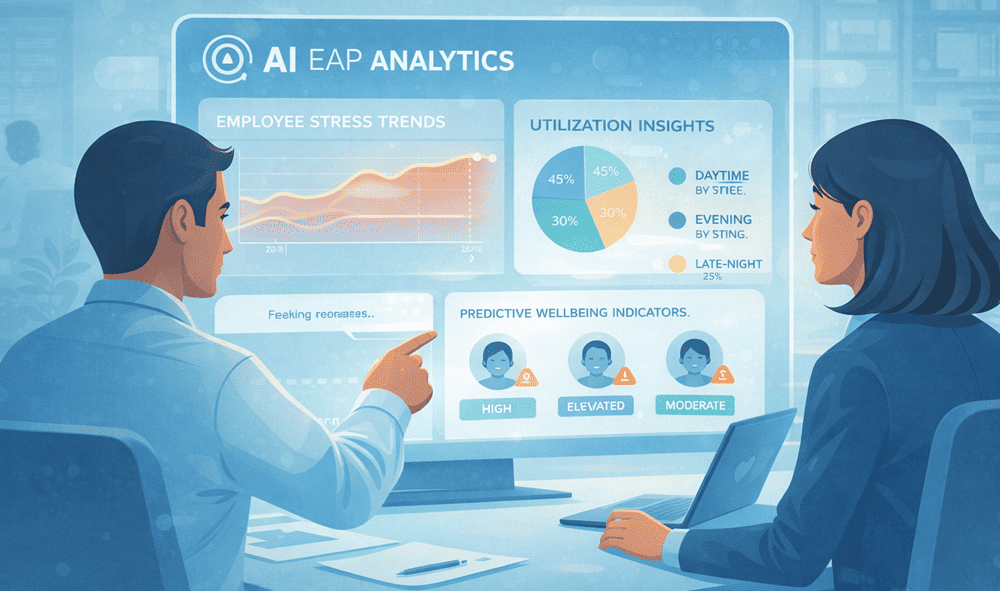
Employee Assistance Programs have existed for decades, yet many HR leaders still struggle to answer a basic question: Are our EAPs actually helping employees? Utilization rates alone rarely tell the full story. What matters more is understanding who is using support, when they need it, and why stress patterns rise across the organization. This is […]

Read More
emotional triggers phone addiction

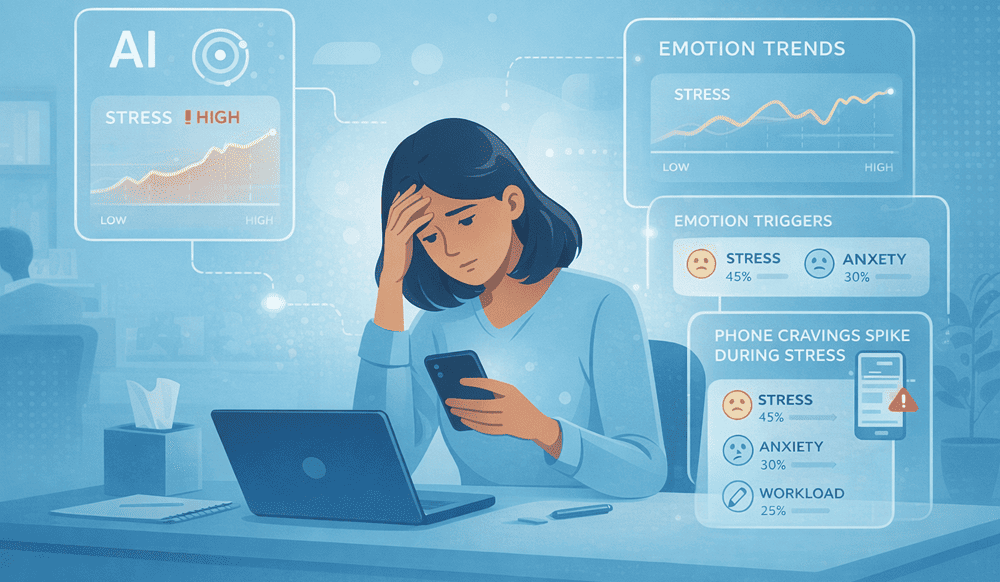
How AI Monitors Emotional Triggers Behind Cell Phone Overuse

Smartphones were meant to help people work faster. Instead, for many professionals, they have become a quiet drain on focus, emotional balance, and output. Behind most cases of excessive phone use is not laziness or poor discipline—it is emotion. Stress, pressure, uncertainty, and anxiety often drive people to reach for their phones without thinking. This […]

Read More
phone addiction at work

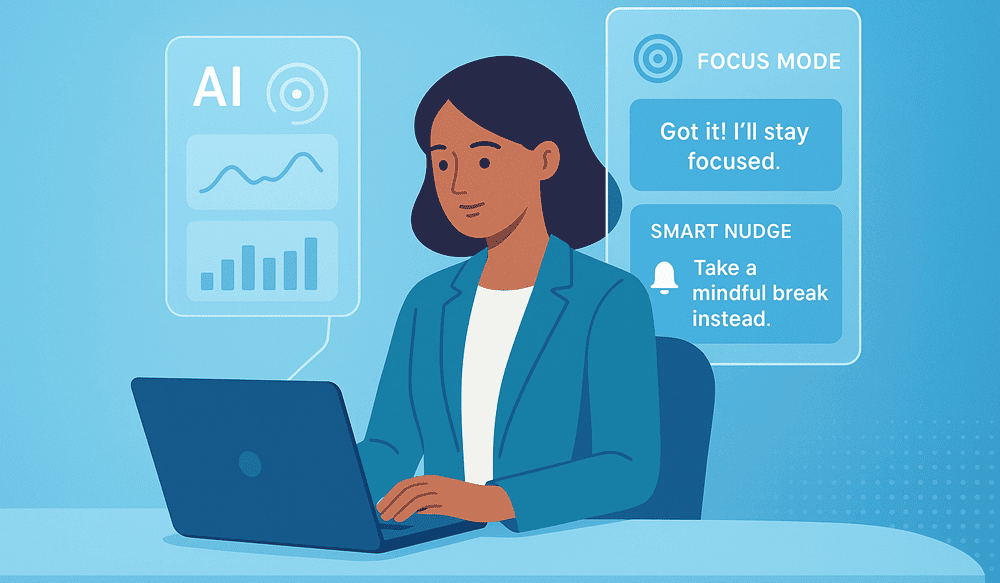
Workplace Productivity Loss from Phone Addiction & How AI Tools Can Fix It

Most organizations worry about workload, meetings, or inefficient processes—but overlook one of the biggest silent productivity killers: phone addiction at work. Employees check their phones an average of 80–100 times a day, not out of urgency but habit. These micro-distractions fragment attention, slow down task completion, increase stress, and reduce overall output across teams. Phone […]

Read More
reduce screen time

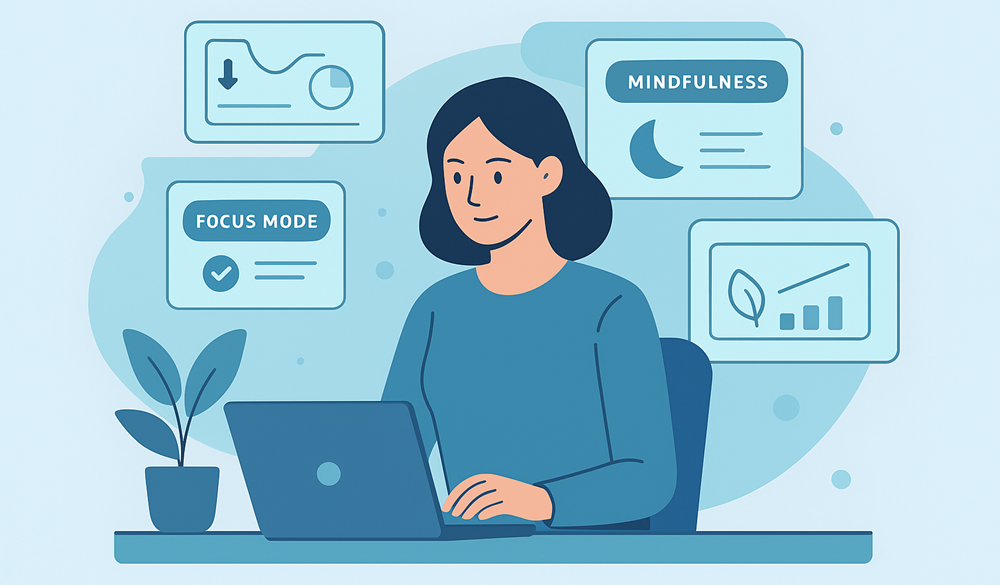
How AI Helps Break Unhealthy Screen Time Habits in Working Professionals

Excessive screen time is no longer just a personal issue—it has become one of the fastest-growing workplace wellbeing challenges. For working professionals, constant notifications, app switching, digital overload, and late-night scrolling have created a cycle of distraction and fatigue that impacts productivity, focus, and mental health. Breaking this cycle is difficult because screen time habits […]

Read More
Reducing Manager Burnout

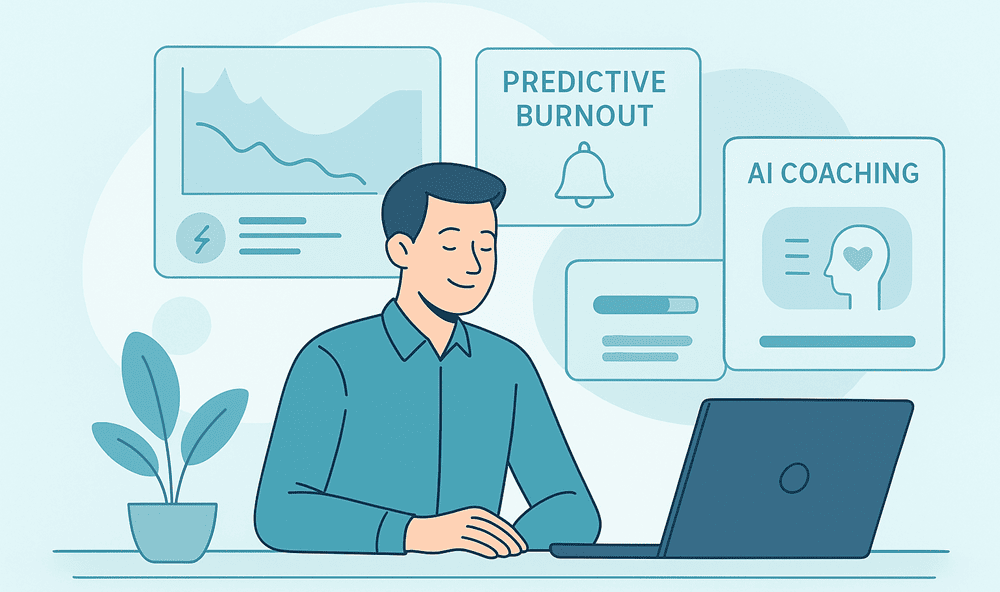
Reducing Manager Burnout with AI-Supported Leadership Coping Tools

Managers today face a level of pressure that simply didn’t exist even five years ago. They’re expected to lead hybrid teams, maintain productivity, support employee wellbeing, hit business KPIs, and respond instantly to organizational changes. In this environment, burnout among leaders is not just common—it’s becoming a structural risk for companies. But there’s a shift […]

Read More
workload balancing

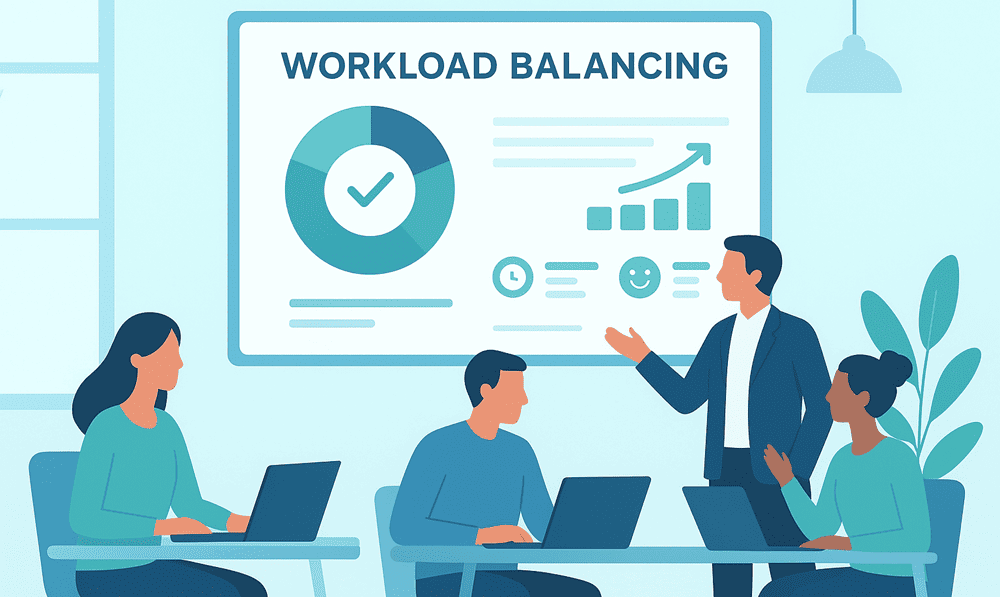
AI-Enabled Workload Balancing: Preventing Burnout Before It Starts

In many industries, employees face growing workloads, longer hours, and tighter deadlines. This is not only a productivity issue, it’s a health issue. According to global estimates, long working hours contributed to roughly 745,000 deaths in 2016 from stroke and heart disease. Moreover, heavy workloads are among the most common triggers of workplace stress. In […]

Read More
AI breathing exercises

AI-Powered Breathing Exercises for Instant Stress Relief in High-Pressure Jobs

Working in high-pressure environments — whether manufacturing plants, call centers, 24/7 support desks, or fast-paced corporate teams — can place a heavy load on employees. Tight deadlines, long hours, irregular shifts, and constant performance pressure can trigger stress, anxiety, fatigue, and even burnout over time. Often, traditional stress-management methods (meditation classes, therapy, or scheduled breaks) […]

Read More
AI chatbots

Using AI Chatbots for Real-Time Peer Support in Remote Teams

In recent years, remote work has become a standard mode of operation for many organisations. While remote work offers flexibility and autonomy, it can also lead to isolation, communication gaps, and increased mental stress for employees. Studies suggest remote work can decrease burnout compared to in-office setups, but that doesn’t eliminate all mental-health risks. For […]

Read More

Share This Image

×
Selected Image