Modern manufacturing has transformed through automation, robotics, and data analytics. Yet, one aspect often overlooked is manufacturing worker wellbeing. Workers remain at the heart of every production line, and without proper support, stress levels, fatigue, and safety incidents rise.
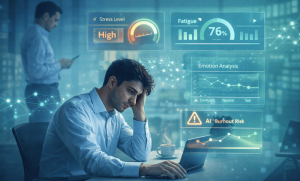
AI is now being applied not just to machines, but to the people running them. Stress monitoring powered by AI gives leaders new ways to detect early signs of burnout, prevent accidents, and improve overall productivity.
Why Worker Wellbeing Matters More Than Ever
In the U.S., around 43% of manufacturing employees report high stress levels, often caused by long shifts, repetitive tasks, and pressure to maintain speed. Fatigue contributes to nearly 13% of workplace injuries in industrial settings. These numbers show why manufacturing worker wellbeing must be a top priority.
Without effective systems, stress can silently erode performance, leading to mistakes, equipment damage, or worse, serious injury. For leaders aiming to keep operations safe and efficient, technology now provides new answers.
The Role of AI in Stress Monitoring
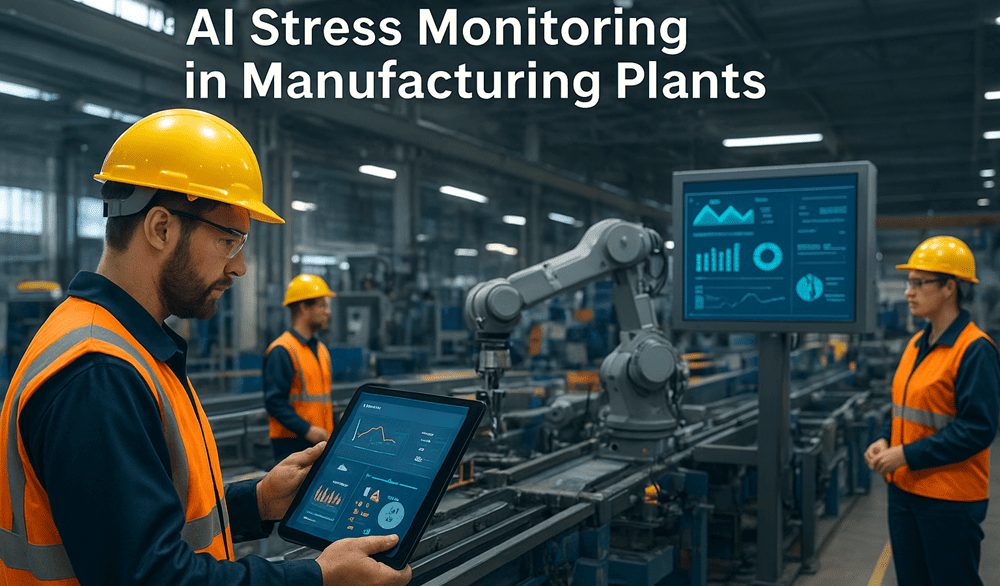
AI tools are no longer limited to scheduling or process optimization. In manufacturing plants, leaders are adopting AI in manufacturing specifically for stress detection and fatigue prevention. Some examples include:
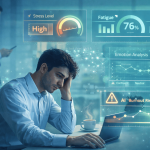
- Wearable sensors tracking heart rate variability, body temperature, and movement to identify fatigue patterns.
- Vision-based monitoring using cameras to spot posture issues, slowed response times, or unsafe movements.
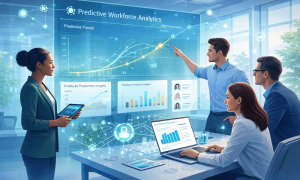
- Predictive dashboards that integrate production data with workforce data to flag stress hotspots in real time.
- Worker stress monitoring systems that connect with HR and safety departments to provide alerts before risks escalate.
By combining physiological and behavioral data, AI systems help supervisors step in early, reducing both physical and psychological strain.
Linking Stress to Safety in Manufacturing
Stress and safety are tightly connected. When workers feel overwhelmed, their reflexes slow down, judgment suffers, and risk of errors increases. That is why factory safety AI solutions are being introduced alongside stress monitoring systems.
For example:
- Machines can automatically pause if fatigue signals from operators cross a threshold.
- Safety protocols can be personalized, alerting supervisors to individuals who may need a break.
- Plant-wide AI models can predict times of day when industrial fatigue prevention is most needed, such as during extended night shifts.
This approach ensures both productivity and safety remain aligned with corporate wellbeing AI goals.
Building a Culture of Care in Manufacturing Plants
AI tools are powerful, but they must be combined with a culture that values people. Leaders can’t simply rely on algorithms; they must show commitment to manufacturing worker wellbeing by pairing AI with wellness practices such as:
- Encouraging workplace mindfulness sessions that give workers mental resets.
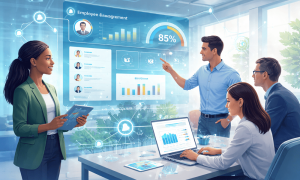
- Using AI for wellbeing dashboards to track collective stress and plan recovery breaks.
- Providing confidential counseling options or integrating a mental health solution for construction worker programs that can be adapted for factory staff as well.
Companies that actively combine technology with human support find it easier to build loyalty, improve morale, and reduce staff turnover.
Benefits of AI Stress Monitoring
Here is a snapshot of how AI-driven stress monitoring improves both people and performance:
| Benefit | How It Works | Impact |
|---|---|---|
| Early fatigue detection | Wearables, biometric sensors, behavioral tracking | Reduces errors, prevents injuries |
| Improved production line wellness | Automated alerts for micro-breaks or job rotation | Higher productivity, less burnout |
| Predictive absence reduction | AI forecasts who may be at risk of calling out | Supports reducing absenteeism |
| Safer workplaces | AI pairs stress data with safety systems | Fewer accidents, stronger compliance |
| Better workforce engagement | Transparent tools showing care for employees | Builds trust, lowers turnover |
Real-World Examples
Some manufacturing leaders are already seeing the impact of stress monitoring:
- A Midwest automotive plant introduced AI-enabled wearables. Within six months, they recorded a 22% drop in minor accidents and noticed operators reported fewer fatigue symptoms.
- A consumer goods manufacturer used predictive modeling to manage shift rotations. By focusing on production line wellness, absenteeism dropped by 14% over a year.
- Factories using combined industrial wellness AI and ergonomics analytics have redesigned workflows, cutting unnecessary lifting by up to 18%, improving safety scores.
These examples demonstrate that well-designed AI not only monitors stress but actively prevents it from escalating.
Addressing Concerns About AI Monitoring
Introducing stress monitoring can raise questions. Workers may fear surveillance or data misuse. Leaders should:
- Be transparent about what is measured and why.
- Focus on wellbeing, not punishment—stress detection must never become a tool for discipline.
- Offer opt-in programs where possible, giving workers agency.
- Combine digital tools with education such as digital mindfulness for construction worker style training adapted to factories.
When handled responsibly, workers see AI as a partner in keeping them safe, not an intrusion.
The Broader Picture: AI and Industrial Wellness
Stress monitoring fits within a bigger move toward industrial wellness AI. From ergonomic analysis to predictive maintenance, the same AI models that optimize machines can also optimize people’s wellbeing. Leaders should not treat these as separate silos.
Imagine a future plant where:
- Machines self-diagnose for faults.
- Workers’ stress and fatigue are detected early.
- Breaks, rotations, and safety reminders are automatically adjusted.
This integration results in a balanced, sustainable environment where both production and health improve side by side.
Long-Term Payoffs for Leaders
Investing in AI for stress monitoring is not just about compassion, it delivers measurable returns. Benefits include:
- Lower accident costs and insurance claims.
- Stronger compliance with safety regulations.
- Enhanced worker trust leading to higher retention.
- Reduced turnover, which saves significant recruitment and training expenses.
Companies that integrate corporate wellbeing AI strategies position themselves as industry leaders in both efficiency and care.
Conclusion
Manufacturing is fast-paced and demanding, but human wellbeing can no longer be sidelined. Stress monitoring powered by AI helps leaders detect risks early, prevent fatigue, and keep production lines safer. By blending technology with a culture of care, plants can protect workers while boosting performance.
For leaders, the path forward is clear: combine AI in manufacturing, stress monitoring, and supportive practices like workplace mindfulness. This approach protects manufacturing worker wellbeing and sets the stage for a healthier, more productive future in manufacturing.