Screen fatigue has quietly become one of the biggest workplace performance threats of the modern era. Employees spend an average of 6–9 hours per day looking at illuminated displays—often bouncing between calls, messages, dashboards, and meetings without a moment of actual pause. For organizations trying to support healthier work environments, this overexposure shows up as burnout, attention drift, slower decision-making, and rising stress.
This is where AI for digital detox is gaining attention. Instead of simply reminding employees to “take breaks,” modern AI systems can guide healthier digital habits, sense overload signals, and redirect teams toward balanced work patterns. With advancements in voice + chat automation, unified communication voice bot workflows, and AI voice assistant multichannel support, digital detox solutions are evolving from basic timers to intelligent wellbeing tools.
This article breaks down how AI-driven detox tools work, how they reduce screen fatigue, and why business leaders are integrating them into their wellbeing strategies.
Why Digital Detox Matters for Today’s Workforce
Excessive screen exposure doesn’t only cause dry eyes or headaches. It impacts productivity fundamentals:
- Reduced cognitive sharpness
- Slower task switching
- Emotional exhaustion
- Lowered problem-solving capacity
- Weakened communication clarity
In hybrid workplaces, employees often feel trapped between notifications, calls, and apps. Many attempt to multitask, but studies show multitasking cuts productivity by up to 40%.
AI-based digital detox tools help break this cycle by shaping sustainable work patterns, guiding focus, and decreasing unnecessary interaction with screens—including contributing to issues such as cell phone addiction.
How AI Helps Reduce Screen Fatigue
1. Intelligent Behavioral Monitoring
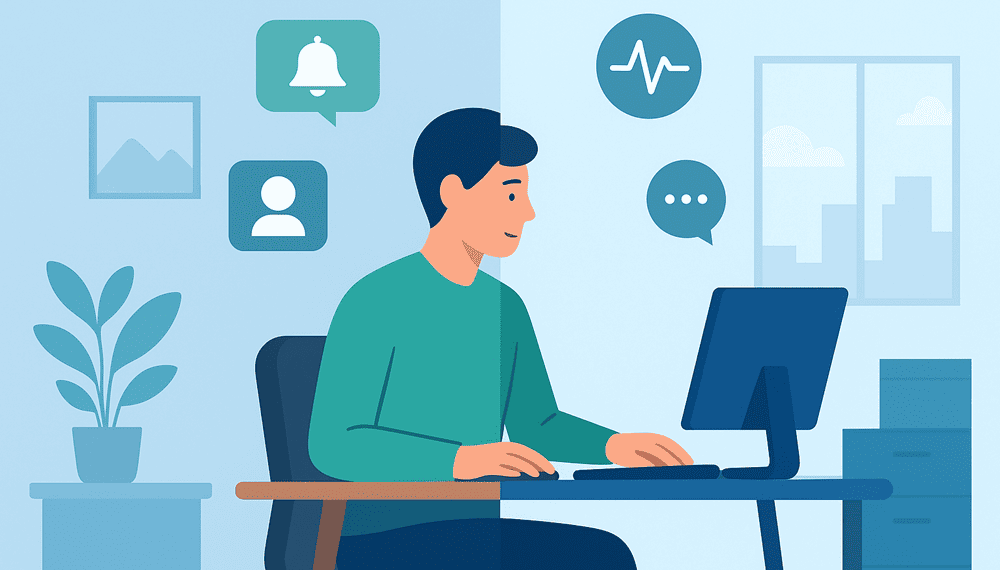
Unlike manual tools that rely on employees self-tracking their behavior, AI for digital detox identifies usage patterns automatically. It can spot:
- Prolonged screen sessions
- High-frequency app switching
- Stress indicators in voice or chat interactions
- Excessive notification response times
These indicators allow companies to intervene before fatigue escalates. Instead of finger-pointing, AI offers context-based support and recommends small resets such as workplace mindfulness exercises.
2. AI-Guided Micro Breaks and Reset Moments
Brief pauses throughout the day restore attention, but employees often ignore reminders. AI systems personalize these breaks using factors such as workload spikes, meeting schedules, and communication volume.
Examples include:
- Short audio pauses triggered by a unified communication voice bot
- Five-minute rest intervals scheduled after heavy screen activity
- Voice nudges through an AI voice assistant multichannel workflow
- Stress-relief routines suggested automatically during tense calls
These AI-guided resets can include small routines like breathing, grounding, or simple mindfulness exercises that refresh mental bandwidth without derailing productivity.
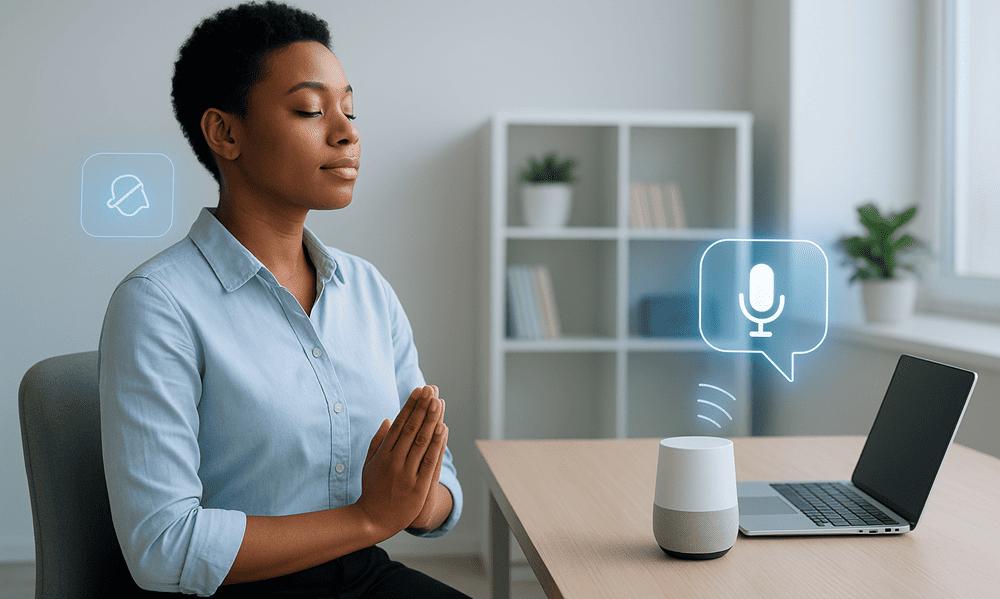
3. Voice-First Detox Interventions
Many digital detox tools now integrate voice agent text integration, allowing employees to interact naturally without screens. Instead of opening wellness apps, they can simply speak:
- “Start a two-minute break.”
- “Reduce my notifications for the next hour.”
- “Give me a focus mode.”
This reduces display reliance and helps maintain flow during work. Voice-driven AI also offers an accessible path for neurodiverse employees, individuals with screen strain issues, or teams working in high-communication environments.
4. Limiting Notification Overload
Notification fatigue is one of the largest contributors to digital exhaustion. AI tools can:
- Prioritize notifications based on urgency
- Bundle less-important alerts
- Block back-to-back pings
- Identify high-distraction periods
- Create quiet zones during deep work
These features help reduce reaction-based workflows and instead promote better planning, contributing indirectly to healthier micro break prompts and controlled digital exposure.
Key Features of AI Digital Detox Tools
(For business owners evaluating vendor options)
| Detox Feature | How It Supports Screen Fatigue Reduction | AI Capabilities Involved |
| Smart break scheduling | Reduces continuous exposure | Behavioral analytics, activity tracking |
| Voice-first commands | Allows screen-free use | AI voice assistant multichannel, voice agents |
| Notification filtering | Cuts down digital interruptions | Predictive prioritization |
| Real-time workload mapping | Balances heavy and light digital periods | Machine learning models |
| Team-level dashboards | Helps managers track wellbeing indicators | Usage analysis, sentiment patterns |
These features help organizations build healthier, resilient teams while still maintaining operational efficiency.
Use Cases: How Companies Are Applying AI for Digital Detox

1. Reducing Video Meeting Overload
Organizations use voice + chat automation tools to replace unnecessary video calls with short voice summaries or quick async exchanges.
2. Supporting Hybrid and Remote Teams
AI can detect when employees are staying online too long, working irregular hours, or overusing communication platforms—leading to timely interventions and structured digital boundaries.
3. Workplace Wellbeing Programs
Forward-thinking HR teams now integrate AI for digital detox into wellbeing dashboards. These systems reduce excessive notifications, recommend breaks, and encourage healthier routines that contribute to strong work life balance outcomes.
4. Screen-Free Coaching and Wellbeing Support
Voice-based AI for coaching lets employees reflect or ask for guidance without opening their phone or laptop. It offers a more calming experience compared to another screen-based productivity tool.
How AI Detox Tools Fit Into Corporate Wellbeing Strategy
A digital detox initiative is more effective when aligned with HR, IT, and leadership priorities. Business owners typically combine detox tools with:
- Flexible schedule policies
- Team workload mapping
- Ergonomic guidelines
- No-meeting blocks
- Manager training on reducing digital pressure
AI enhances all these programs by providing measurable insights. For example:
- Weekly screen exposure patterns
- High-strain communication windows
- Employee sentiment shifts across voice interactions
- Overload indicators from messaging volume
These metrics help pinpoint the conditions causing fatigue and support better decision-making.
Practical Ways AI Reduces Screen Fatigue Day to Day
Here are day-to-day improvements employees typically report when using AI for digital detox systems:
- Fewer unnecessary notifications
- Clearer boundaries between work and personal time
- Lower stress during peak communication hours
- Shorter and more meaningful breaks
- Reduced eye strain due to fewer screen interactions
- Improved emotional balance supported by stress management AI tools
- Better attention span during key tasks
These benefits compound over time and gradually reshape digital habits in healthier ways.
Best Practices for Business Owners Implementing AI Digital Detox Programs
1. Communicate Clearly
Explain the intention—not surveillance, but wellbeing and sustainable workload management.
2. Give Employees Control
Allow them to adjust break timing, voice notification settings, and detox intensity.
3. Integrate With Existing Workflows
Make sure detox tools work with your communication stack: teams, email, calendars, CRM, collaboration apps.
4. Encourage Screen-Free Alternatives
Promote voice-based responses, call summaries, and natural voice workflows through voice agent text integration.
5. Track Team Wellbeing Trends
Look for patterns like:
- Extended evening usage
- High messaging volume
- Meeting clusters
- Reduced break adherence
These indicators help managers take balanced, proactive steps.
The Business Impact of AI Digital Detox Tools
Organizations adopting these tools consistently report:
- Higher productivity during focused work hours
- Noticeable decline in digital fatigue complaints
- Stronger employee morale
- Better communication clarity
- Lower burnout and absenteeism
A healthier digital culture pays long-term dividends in performance, retention, and team cohesion.
Final Thoughts
The modern workplace is digital at its core—and that is unlikely to change. But unchecked screen time will continue to erode productivity unless organizations build structured, intelligent wellbeing systems.
AI for digital detox offers an efficient, practical pathway. It encourages healthier habits, reduces overload, and helps employees work with more clarity and less strain. When paired with a thoughtful wellbeing strategy, these tools allow businesses to build energized, focused, and emotionally grounded teams.
Whether you are a business owner planning your next wellbeing initiative or exploring new tech solutions, AI detox tools provide a high-return investment in your workforce’s long-term performance and wellbeing.