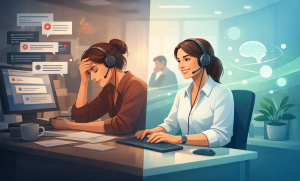
Working in high-pressure environments — whether manufacturing plants, call centers, 24/7 support desks, or fast-paced corporate teams — can place a heavy load on employees. Tight deadlines, long hours, irregular shifts, and constant performance pressure can trigger stress, anxiety, fatigue, and even burnout over time.
Often, traditional stress-management methods (meditation classes, therapy, or scheduled breaks) are hard to scale or difficult to integrate. What many organisations need is a tool that delivers quick, effective relief, is always accessible, and can be adopted easily by employees on the go. That’s where AI breathing exercises come into play — providing on-demand support designed for modern workplaces.
In this post, we explore how AI-powered breathing practices can deliver stress relief, instant mindfulness, and improved workplace health for employees under pressure.
The Science of Breathing: Why It Works
Breathing techniques aren’t new — humans have used slow, controlled breathing for centuries to calm the mind and body. Modern research confirms what many traditions have long known.
- Controlled breathing (like diaphragmatic or slow-paced breathing) triggers the body’s relaxation response — reducing sympathetic nervous activity, lowering heart rate, and increasing parasympathetic tone.
- A recent randomized controlled trial found that just five minutes of daily breathwork can significantly improve mood and reduce anxiety — sometimes more effectively than meditation alone.
- A 2024 meta-analysis reported that breathing interventions lead to modest but statistically significant reductions in blood pressure and resting heart rate — a potential buffer against chronic stress and cardiovascular risks.
In short: breathing techniques offer a low-cost, accessible method to manage physiological stress — no equipment needed, no gym or long hours required. That makes them ideal for busy workplaces, high-pressure roles, or shift-based jobs.
What Are AI-Powered Breathing Exercises?
AI-powered breathing tools combine traditional breathwork methods with smart technology: automated guidance, reminders, real-time feedback, and context-aware prompts.
Imagine a tool embedded in a workplace wellness or workplace app that:
- Prompts employees to take a few deep breaths when stress patterns are detected (e.g., after a long meeting, during shift transitions, or after a tense call).
- Guides them through evidence-based breathing techniques — like box breathing, 4-7-8 breathing, or cyclic sighing — with visual/audio cues and pacing.
- Tracks usage and, optionally, anonymised physiological data (e.g., heart-rate variability) to monitor stress trends.
- Delivers quick, on-demand support — even on the factory floor, at a customer support desk, or during hectic work hours.
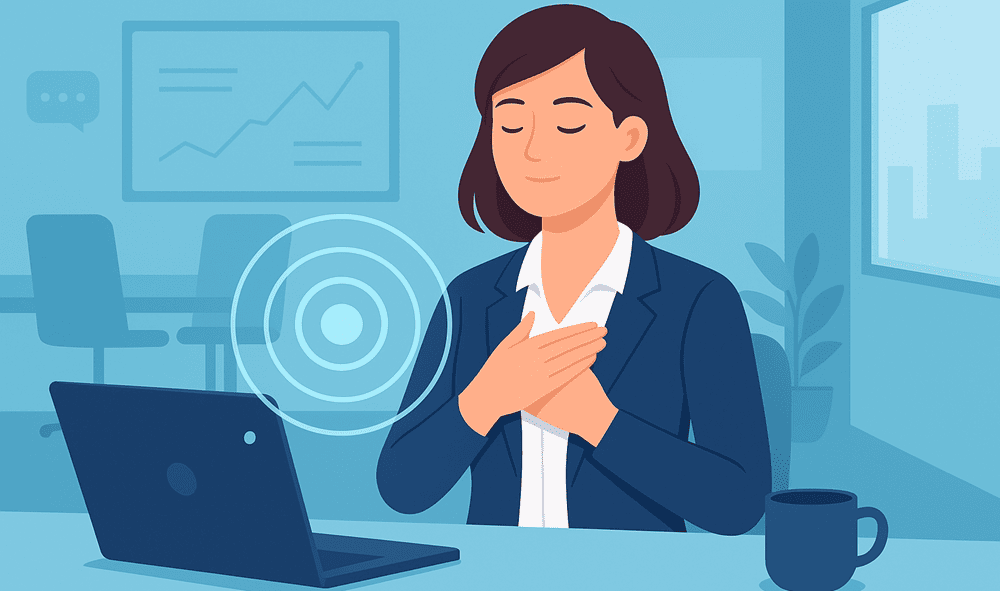
By making breathwork easy to access and follow, AI-powered breathing exercises can help integrate mindfulness into the flow of daily work, not only as an occasional wellness add-on, but as a real-time, on-the-job support tool.
Benefits of AI-Driven Breathing for High-Pressure Jobs
Using AI breathing exercises in demanding work environments offers several advantages.
✅ Quick Stress Relief — When It Matters Most
In many high-pressure jobs, stress builds up rapidly. A 5-minute guided breathing session can calm the nervous system, reduce anxiety, and reset focus. For instance:
- A study showed that cyclic sighing an exhale-focused breathwork improved mood and lowered respiratory rate more than standard mindfulness meditation.
- Deep breathing exercises help activate the body’s parasympathetic nervous system — counteracting “fight-or-flight” responses common in stressful situations.
That means employees can use breathing exercises before or after high-stress tasks (e.g., calls, meetings, shift handovers) to reduce tension quickly and return to a calmer, more focused state.
✅ Better Long-Term Wellbeing and Resilience
Regular breathwork helps regulate stress responses over time. Benefits include:
- Lower resting blood pressure and heart rate — reducing long-term cardiovascular risk.
- Improved mood and reduced anxiety/depression symptoms. Meta-analyses of breathwork interventions show significant positive effects on mental health.
- Increased emotional regulation and better coping with work pressure — critical for employee performance and retention.
Incorporating these practices into workplace routines supports not only instant mindfulness but sustainable workplace health.
✅ Accessibility and Ease — No Gym or Quiet Room Needed
One major benefit of breathing techniques is that they are simple and can be done anywhere — sitting at a desk, between shifts, even during short breaks.
With AI assistance, employees don’t need prior training — the tool guides them step-by-step. This removes the friction that often stops people from practicing mindfulness or meditation in busy workplaces.
✅ Scalable for Large Workforces
Unlike meditation classes or in-person sessions, AI-powered breathing exercises can scale across teams — including remote, shift-based, or deskless workers. This makes them practical even for large organisations with hundreds or thousands of staff.
Combined with corporate wellness strategies, this can drive meaningful improvement in overall workforce wellbeing.
Common Breathing Techniques & How AI Can Guide Them
Here are some widely used breathing techniques — and how an AI tool might guide you through them:
| Breathing Technique | How It Helps | Typical Session Length |
| Box Breathing (inhale-hold-exhale-hold) | Helps regulate breath and reduce stress hormones; fosters calm focus. | 2–5 mins |
| 4-7-8 Breathing | Slows down the nervous system, encourages relaxation, helps with anxiety and sleep. | 4–6 mins |
| Cyclic Sighing / Exhale-Focused Breathwork | Especially effective in lowering negative emotions and calming physiological arousal fast. | 3–5 mins |
| Diaphragmatic Deep Breathing | Engages diaphragm for full, slow breaths — reduces anxiety and improves breathing patterns. | 5–10 mins |
An AI-guided session can prompt employees to select a technique, then show timed inhale/exhale cues, optionally track their breathing rhythm, and display calming visuals or reminders to help them stay focused.
How Employers Can Adopt AI Breathing Tools
If you’re leading a corporate team or managing operations, here’s how you can adopt AI breathing exercises in your wellness strategy:
- Pilot the tool in high-stress departments first — for example, customer support, operations, or shift-based teams. Begin with a subset of employees to test adoption and feedback.
- Embed it into existing wellness or HR platforms so employees don’t need a separate app. This makes access seamless and increases the chance they’ll use it regularly — similar to how AI Stress Monitoring in Manufacturing Plants might be integrated.
- Encourage short, frequent sessions — a few minutes before starting a shift, after a stressful task, or during breaks can make a difference.
- Combine with broader wellness initiatives — breathing exercises are most effective when paired with culture that supports Workplace Mindfulness, regular check-ins, and mental health awareness.
- Track anonymised data (optional) — Use aggregated data to monitor stress trends (e.g., frequent high stress in certain teams), which can inform further interventions like shift changes, workload balancing, or targeted support.
- Educate employees on breathing importance — Many may not know the benefits of simple breathwork. Providing short training or guidance helps them use the tool effectively.
What to Watch Out For — Limitations & Considerations
Breathwork is powerful, but it’s not a cure-all.
- In high-pressure jobs, the fast pace might make even short exercises feel like “lost time.” Organisations need to build a supportive culture where short breaks are encouraged.
- Some people may feel dizzy or lightheaded if they overdo breathing techniques, simple guidance is necessary.
- The effectiveness of breathing especially long-term, depends on consistency. Occasional use may provide only temporary relief.
- For severe stress, burnout, or mental health conditions, breathing alone may not suffice. It should complement – not replace – professional mental health support.
Why AI-Powered Breathing Exercises Are Particularly Suited for Modern Work
In a fast-paced, demanding work environment, time is a luxury. Traditional wellness measures — yoga classes, therapy sessions, long meditations — may not fit daily routines. AI-powered breathing tools, by contrast:
- Offer instant mindfulness that can be done in minutes
- Provide scalable, low-cost stress relief for large teams
- Fit into the flow of work — no need for dedicated time blocks or special locations
- Help embed workplace health into daily routine
Especially for employees in high-pressure jobs — manufacturing, healthcare, shift work, customer support — these tools can become a practical first line of defence against stress, fatigue, and burnout.
If you aim to build a culture of continuous wellness and emotional balance, AI-powered breathing practices deserve a place in your wellness toolkit — alongside analytics, check-ins, and broader mental health programs like AI Meditation Tools and AI Stress Reduction frameworks.
Conclusion: Breathing Simple, Smart, Effective
Stress is a constant companion in high-pressure jobs. But you don’t always have to fight it with big interventions. Sometimes the most powerful tool is your breath.
AI breathing exercises bring together the simplicity of traditional breathwork with the convenience and adaptability of technology. They deliver instant stress relief, support workplace health, and fit into busy schedules. For companies managing demanding roles or large teams, incorporating these tools can help nurture resilience, enhance focus, and improve overall employee wellbeing.
If you’re ready to support your workforce especially those in high-pressure, shift-based, or demanding roles, consider giving breathing exercises a spot in your wellness strategy. With the right tool and guidance, a few minutes of mindful breathing might go a long way.