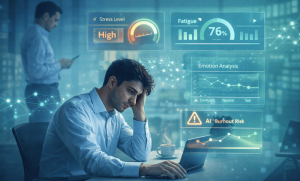

Running a company today is not just about making good decisions. It is about making clear decisions while facing nonstop pressure, constant change, and public accountability. This is why mental fitness for executives has become one of the most discussed leadership topics in 2026. When leaders are mentally steady, businesses stay steady. When leaders struggle, the effects ripple through every team, project, and revenue stream.
Executive roles have always been demanding, but the pace and visibility of modern business have added new layers of strain. Investors expect fast results, employees expect empathy, and customers expect flawless service. The human brain was never built for this kind of load. Yet most leaders still try to push through on willpower alone.
That is changing as more organizations invest in executive wellbeing supported by smart technology and daily mental training.
Why Mental Fitness Matters More Than Ever
Mental fitness refers to how well a person manages stress, attention, emotions, and decision-making when under pressure. For executives, this ability is the difference between reacting and responding.
When leaders lack mental fitness, leadership stress starts to show up in subtle ways. Emails become sharp. Meetings become rushed. Risk decisions become extreme. Over time, these patterns lead to leadership burnout, which can quietly damage company culture.
In contrast, leaders who train their minds stay focused during chaos. They do not ignore problems, but they do not panic either. That is the foundation of a high-performing organization.
The Hidden Cost of Executive Burnout
Burnout at the top is rarely talked about in public, but it is common behind closed doors. A 2024 survey by Deloitte found that nearly 70% of senior leaders reported feeling exhausted or overwhelmed most of the time. That is a dangerous number when these same people are making decisions that affect thousands of employees.
Burned-out executives often struggle with cognitive resilience, which means their ability to think clearly under pressure drops. They become less creative, more defensive, and more likely to make short-term choices that hurt long-term growth.
This is why CEO mental health is now a boardroom topic rather than a private issue.
How AI Is Changing Executive Coaching
Traditional coaching has always been useful, but it comes with limits. It happens once a week or once a month. Stress, however, shows up every day. That gap is where technology steps in.
Modern AI leadership coaching tools offer short, private, and always-available support. Leaders can check in during a tense meeting, before a big presentation, or after a hard conversation. The system responds with questions, prompts, or simple mental exercises based on how the leader feels in that moment.
This kind of support helps executives build a high performance mindset without adding another meeting to their calendar.
What an AI Mental Coach Actually Does
An AI mental coach does not replace human mentors or therapists. It acts as a daily companion for mental habits. It tracks patterns in mood, focus, and stress through quick check-ins and optional data sources.
Over time, the system learns what triggers tension and what helps calm it. If a leader feels anxious before board meetings, the AI suggests short breathing routines or mindset shifts at the right moment.
This constant feedback loop strengthens mental fitness the same way a fitness tracker supports physical health.
Why Executive Mental Health Needs Privacy
One reason many leaders avoid talking about stress is fear. They worry that showing strain will hurt their image or authority. This is where executive mental health support through private AI tools makes a real difference.
Executives can explore their thoughts and worries without anyone else seeing them. They can process tough decisions or emotional reactions without putting their role at risk.
This level of safety allows leaders to work through issues instead of pushing them down until they explode.
The Link Between Mental Fitness and Team Performance
When leaders manage their minds well, teams feel it. Clear communication, steady tone, and fair decisions build trust. When leaders are tense, teams mirror that tension.
Companies that use workplace resilience training for leaders often see better engagement and lower turnover. These programs teach skills like emotional regulation, focused attention, and stress recovery.
When combined with daily AI-based coaching, these skills stick.
A Look at the Numbers
Studies from Harvard Business Review and McKinsey have shown that leaders who practice mental fitness techniques report up to 25% better decision quality and 30% lower stress levels. That kind of improvement has a direct impact on business outcomes.
Here is how mentally fit leadership compares to burned-out leadership:
| Area | Mentally Fit Leaders | Burned-Out Leaders |
| Decision quality | Clear and balanced | Reactive and rushed |
| Team morale | Stable | Tense |
| Risk handling | Thoughtful | Extreme |
| Long-term focus | Strong | Weak |
This is why boards now see mental fitness for executives as a form of risk management.
How AI Supports Mental Health at Scale
Large organizations cannot give every leader a full-time human coach. This is where AI for mental health wellbeing offers a practical solution. AI systems provide consistent support across regions, time zones, and work styles.
They also create anonymous trends that help HR teams understand where leadership stress is rising, without exposing individuals.
This balance between insight and privacy makes modern executive wellness programs work.
When Managers Burn Out, Everyone Feels It
Mid-level managers carry a heavy load. They translate strategy into action while handling team emotions. When they burn out, productivity drops fast.
Using manager burnout solutions that include AI tools helps organizations keep this layer of leadership strong. When managers feel supported, their teams do too.
The Role of AI Coaching Platforms
A full AI coaching platform brings together mental fitness tools, stress tracking, and coaching prompts in one place. Executives can review trends, set goals, and get support without switching between apps.
This kind of setup fits naturally into busy schedules, which makes it easier to keep mental training consistent.
Stress Reduction That Fits Real Life
Long meditation sessions are not realistic for most leaders. Short, targeted exercises are. Tools focused on stress reduction for leaders offer two-minute resets that fit between meetings or before tough calls.
These small habits build mental strength over time without adding pressure.
Why Mental Fitness Is a Business Strategy
Companies invest millions in software, training, and marketing. Yet the mental state of the people making the biggest decisions often gets ignored. That gap is shrinking as leaders see the return on investing in their minds.
Mental fitness for executives is no longer a personal choice. It is part of how modern companies stay competitive.
Leaders who train their minds stay calm, focused, and fair even when the pressure is high. That steadiness spreads through the organization, shaping culture, performance, and growth.
In a world that never slows down, mental fitness is the edge that keeps leaders ahead.