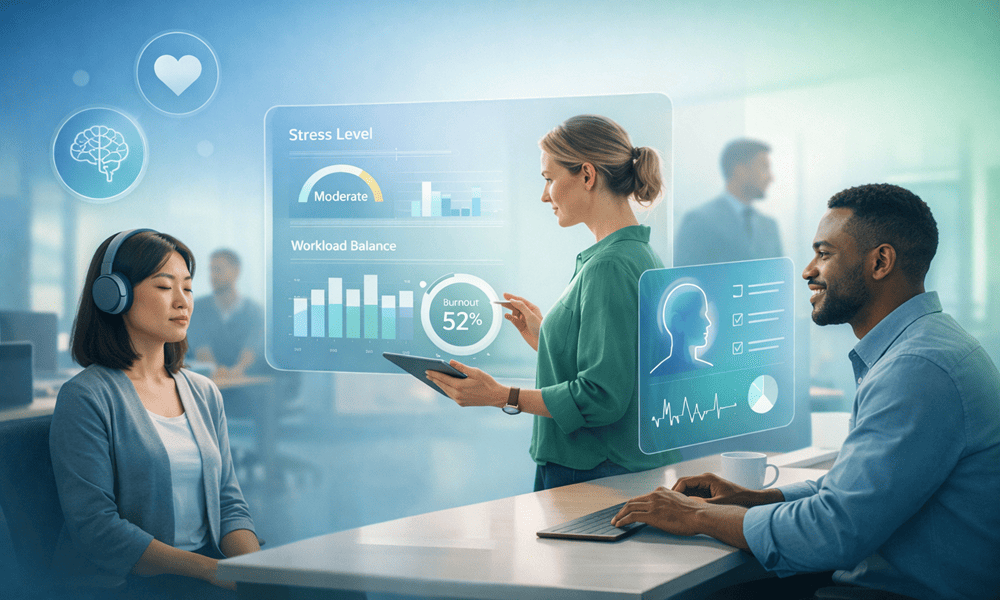
Workplace leaders are no longer asking whether wellbeing matters. The real question in 2026 is how fast companies can keep up with workplace wellness trends that are changing the way people work, think, and perform. Burnout, stress, and quiet disengagement now cost businesses billions each year, not because people lack skill, but because modern work pushes the human nervous system past safe limits.
The shift is clear. Organizations are moving away from one-size-fits-all wellness programs and toward systems that are smart, personal, and measurable. That is where data, psychology, and artificial intelligence now meet.
This article breaks down the workplace wellness trends that matter most right now, how they shape the future of workplace wellness, and what business leaders should be doing to protect both their people and their bottom line.
Why Workplace Wellness Is Now a Business System
Employee wellbeing is no longer a side benefit. It sits next to cybersecurity, finance, and operations as a core part of how modern companies run. In the past, wellness was mostly about gym memberships or occasional webinars. Today, it is about reducing risk, protecting productivity, and keeping skilled people from walking out the door.
Research from multiple workforce studies shows that employees dealing with high stress are far more likely to take sick days, make mistakes, and leave their jobs within a year. That is why employee wellbeing trends now focus on early support instead of late-stage crisis care.
One major shift comes from platforms designed around AI for mental health wellbeing, which allow companies to support large teams without needing thousands of human coaches. These tools track patterns in behavior, communication, and self-reported mood to detect problems before they become expensive.
The Rise of AI-Powered Wellness Support
One of the most important workplace wellness trends in 2026 is how AI in employee wellness is being used to provide daily emotional support instead of reactive care. Employees no longer need to book sessions weeks in advance or explain their stress to a stranger. They can get help when it is actually needed.
In many companies, an AI wellness coach is now the first point of contact for employees who feel overwhelmed, distracted, or burned out. These systems use short check-ins, voice cues, and behavioral data to understand how someone is really doing.
This approach gives people privacy while still giving organizations insight into risk patterns. When stress levels rise across a team or department, leaders can act before turnover spikes.
How Data Is Replacing Guesswork
Traditional HR surveys capture feelings once or twice a year. That is not enough anymore. By the time leadership sees a problem, it has already hurt morale, customer experience, and retention.
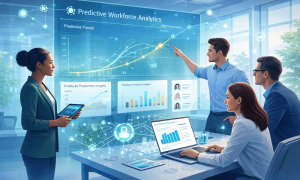
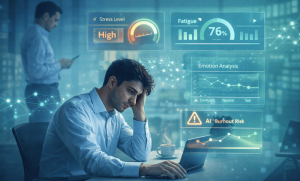
Modern mental health technology uses real-time signals like response speed, tone in written communication, calendar overload, and engagement levels. These systems rely on predictive burnout analytics to identify teams that are close to breaking.
Companies that use this data often report lower absenteeism and higher engagement because problems get addressed early instead of being ignored.
Mental Fitness Becomes a Core Skill
Another major part of workplace wellness trends is the focus on mental fitness rather than just mental health. Mental fitness refers to how well people manage stress, attention, emotional reactions, and decision-making under pressure.
High-performing organizations now train mental fitness the same way they train leadership or technical skills. This includes things like breathing routines, emotional regulation tools, and short reflection practices built into the workday.
Some companies even include a yearly mental health resolution as part of their employee goal-setting process, which helps normalize wellbeing as a shared responsibility instead of a private issue.
A New Kind of Corporate Wellness Strategy
The old corporate wellness strategy focused on perks. The new one focuses on systems. Leaders are building wellness into how work is structured, not just what benefits are offered.
This includes:
- Flexible schedules tied to cognitive performance
- Meeting limits to reduce overload
- Workload tracking to prevent chronic stress
Organizations that treat wellness as infrastructure, rather than an extra, see stronger results across productivity and engagement. This approach is becoming standard inside every serious employee wellness program in 2026.
Digital Tools Replace Fragmented Programs
In the past, employees had to jump between apps for meditation, therapy, fitness, and HR support. Now, digital wellbeing tools bring everything into one connected experience.
These platforms allow employees to track stress, sleep, focus, and mood in one place. They also give leaders insight into what is actually happening across the workforce.
One of the fastest-growing features in these systems is mindfulness at workplace tools that integrate into Slack, Teams, and work calendars. Instead of asking employees to find time to relax, these tools bring short resets into the flow of work.
Industry Impact: Customer Support Teams
Some roles feel the pressure more than others. Customer support teams face constant emotional labor, high ticket volumes, and real-time performance tracking. That is why they are often the first to burn out.
Companies that support these workers with AI for mental wellbeing tools see fewer escalations, higher satisfaction scores, and lower turnover. Even small changes, like guided breathing during high call volume periods, can make a meaningful difference.
What the Numbers Show
A growing body of data now connects wellbeing directly to revenue. Companies with strong wellness systems report better retention, fewer errors, and stronger customer loyalty.
Here is how modern wellness programs compare to traditional ones:
| Area | Traditional Programs | AI-Driven Wellness |
| Support timing | Reactive | Real-time |
| Personalization | Limited | Individual-based |
| Measurement | Annual surveys | Live data |
| Business impact | Hard to track | Direct ROI |
This shift makes it easier for leaders to calculate employee wellness programs ROI and justify continued investment.
The Link Between Wellbeing and the Future of Work
Remote and hybrid work changed everything. People work across time zones, on different schedules, and often in isolation. That is why future of work wellbeing is now a major part of leadership strategy.
Employees who feel disconnected or unsupported tend to disengage quietly. They stay on payroll but stop caring. That hidden cost is one of the biggest risks facing companies in 2026.
When organizations invest in mental health technology that keeps people supported no matter where they work, performance and loyalty improve.
What Business Leaders Should Do Now
Staying competitive in 2026 means aligning with the future of workplace wellness instead of clinging to outdated models. The companies that win are those that combine human care with smart systems.
Here are the core actions that matter:
- Use AI tools to monitor stress and workload in real time
- Give employees easy access to emotional support
- Train managers to understand mental fitness
- Build wellbeing into daily workflows
These steps turn wellness from a cost center into a performance engine.
Why Workplace Wellness Trends Matter More Than Ever
Ignoring workplace wellness trends no longer just hurts morale. It hurts revenue, brand reputation, and long-term growth. Employees today expect their employer to care about how work feels, not just what gets done.
Organizations that adopt AI in employee wellness, invest in mental fitness, and rely on real data will be the ones that keep their best people and their best results.
In 2026, the strongest companies will not be the ones that push hardest. They will be the ones that support their people the smartest.