HR wellbeing programs have long been a cornerstone of employee support — from wellness workshops and EAP services to gym reimbursements and yoga sessions. But as modern workplaces evolve, so do employee needs. What worked as a one-size-fits-all initiative in the past isn’t enough today. Employees expect personalization, privacy, and real-time support that adapts to their unique wellbeing challenges.
This is where AI HR wellbeing programs are stepping in to transform how organizations care for their people. Leveraging data, behavioral insights, and smart automation, Artificial Intelligence is enabling workplaces to deliver tailored wellbeing experiences — not just another generic HR policy update.
In this article, we explore how AI coaching for mental health is reshaping wellbeing initiatives and why it’s becoming a strategic advantage for progressive organizations.
The Limitations of Traditional HR Wellbeing Programs
Traditional HR programs were largely built around group-level assumptions:
- Offer the same benefits to everyone
- Expect employees to attend sessions at fixed times
- Rely on self-reporting to understand workforce needs
- Provide delayed interventions (after stress becomes a crisis)
Most employees appreciate having support available — but rarely find what they need, when they need it. For many, signing up for a wellbeing workshop during peak workload feels like another task on their to-do list.
As a result:
- Engagement stays low
- ROI becomes difficult to measure
- HR teams lack visibility into real wellbeing risks
- Burnout continues to rise
Static wellbeing programs can’t keep pace with dynamic employee experiences.
The Rise of AI-Powered Personalized Wellbeing at Scale
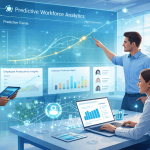
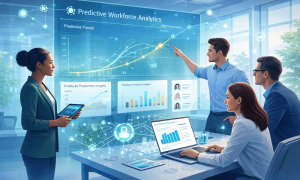
AI is shifting wellbeing from reactive to proactive. Instead of HR waiting for stress levels to rise, AI employee wellbeing tools analyze patterns and offer instant, individualized support.
Here’s what sets AI for HR apart:
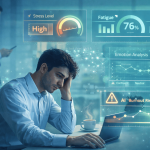
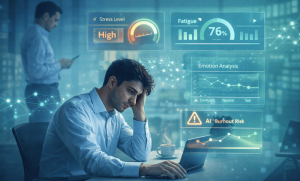
1️⃣ Real-Time Stress and Workload Detection
AI collects signals from various sources — such as work patterns, communication tone, and digital behavior — to detect early signs of burnout or disengagement.
Interventions can begin before a crisis hits.
2️⃣ Personalized Support 24/7
Whether it’s anxiety, workload overwhelm, or motivation challenges, AI can deliver contextual guidance:
- Micro-coaching
- Breathing exercises
- Nudges to take breaks
- Emotional check-ins
Support becomes fluid, continuous, and tailored.
3️⃣ Scalable Without Additional HR Overload
AI mental health support for HR reduces administrative burden. One intelligent platform can support thousands of employees simultaneously, freeing HR teams to focus on high-impact human interactions.
4️⃣ Objective and Private
Employees often hesitate to share their struggles with managers. AI offers confidential support, creating psychological safety while still helping HR understand high-level wellbeing trends (without exposing individuals).
How AI Enables Data-Driven Wellbeing Outcomes
One of the most powerful advantages of personalized HR wellbeing programs is measurement.
Instead of:
- running programs with unknown value,
- or waiting for engagement surveys months later…
AI tracks wellbeing improvement in real time.
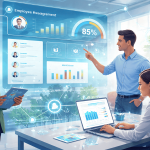
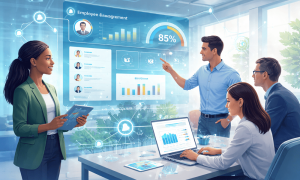
HR leaders gain insights into:
- Team-level wellbeing patterns
- Burnout hotspots across departments
- How interventions influence performance
- Which wellness initiatives actually work
- ROI of wellbeing spend
This means HR can redesign strategies based on evidence — not assumptions.
From Generic Benefits to Personalized Wellbeing Journeys
Every employee’s wellbeing journey is different. An introverted engineer experiencing social anxiety needs different support than a sales professional battling rejection fatigue.
AI enables hyper-personalization across multiple wellbeing dimensions:
| Wellbeing Dimension | AI-Driven Personalization | Example |
| Mental wellbeing | Mood monitoring & coaching | Stress-relief micro-interventions |
| Physical wellness | Behavioral nudges | Step goals, posture check alerts |
| Emotional resilience | Real-time sentiment analysis | Guidance during tough interactions |
| Social connection | Team engagement signals | Encouraging peer interactions |
| Workload balance | Task pattern insights | Break reminders and prioritization help |
This level of personalization was previously impossible at scale.
Now, HR wellbeing technology can act as a digital wellbeing companion for every employee.
The Strategic Business Value of AI-Driven Wellbeing
Workplace wellbeing isn’t just a “nice-to-have” — it directly influences business performance. Organizations that integrate digital HR wellness programs are seeing measurable gains:
✔ Lower absenteeism and turnover
✔ Stronger productivity and focus
✔ Improved manager-employee relationships
✔ Positive company culture and morale
✔ Enhanced employer branding and talent attraction
As competition for talent rises, wellbeing becomes a differentiator.
A company that supports mental resilience and healthy performance wins higher engagement — and loyalty.
Maintaining the Human Touch
A common misconception is that AI replaces human HR roles. In reality:
AI automates support.
HR amplifies the human experience.
When AI handles repetitive check-ins and data analysis, HR can focus on:
- Human conversations
- Culture design
- Leadership coaching
- Crisis-level wellbeing support
AI doesn’t replace empathy — it frees more time for it.
Choosing the Right AI Wellbeing Partner
Not all solutions are built the same. When selecting an AI platform, HR leaders should look for:
✔ Personalization depth (not generic chatbot responses)
✔ Ethical AI practices and privacy safeguards
✔ Integrations with daily workflow tools
✔ Clear analytics for wellbeing trends and ROI
✔ Multi-level support: individual, team, and organization
A great AI platform integrates seamlessly into work life — empowering employees without adding complexity.
Final Thoughts: A Smarter, More Human Future for Work
The shift from traditional wellbeing support to employee wellbeing HR solutions marks a turning point in how companies care for their people.
AI enables:
- continuous care instead of occasional interventions
- personal relevance instead of generic resources
- proactive wellbeing instead of crisis management
The message is clear:
Wellbeing at scale is possible — and AI is making it happen faster than ever.
Organizations that embrace AI HR wellbeing programs today are building a future workforce that is more energized, resilient, and supported — every single day.