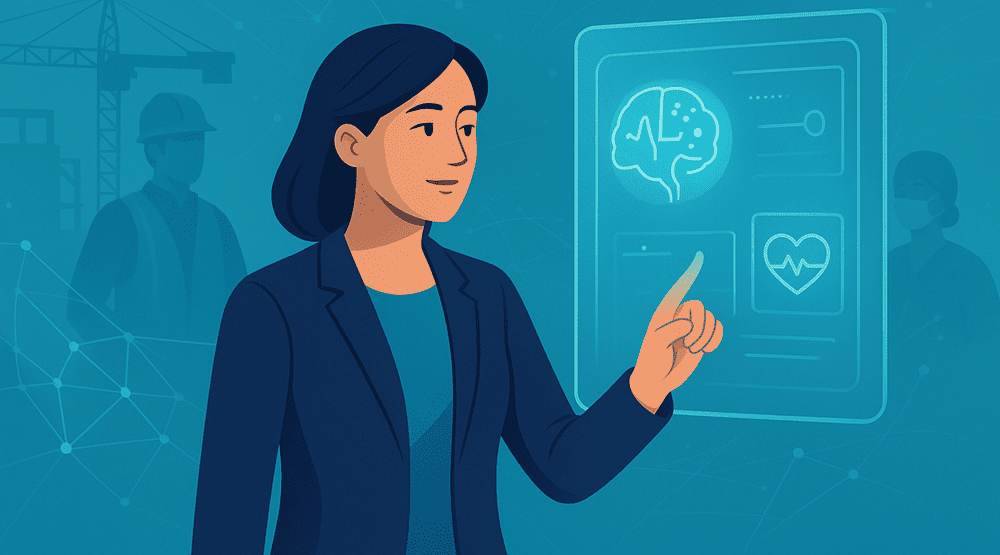
Workplace stress has always been a challenge, but in the past decade, the scale and speed of it have changed dramatically. Deadlines are tighter, communication is constant, and the boundaries between work and personal life are more blurred than ever. According to the American Institute of Stress, 83% of US workers experience work-related stress, costing businesses over $300 billion annually in lost productivity, absenteeism, and healthcare costs.
This is where AI Stress Reduction is stepping in not as a futuristic gimmick, but as a practical, scalable solution to help both employees and organizations address anxiety at its roots.
Why Workplace Stress is Different in 2025
The nature of workplace stress has shifted in three main ways:
- Always-On Culture – Smartphones, instant messaging, and remote work mean employees rarely “log off.”
- Information Overload – Workers juggle multiple channels, apps, and notifications every hour.
- Performance Pressures – KPIs and real-time monitoring can amplify self-imposed pressure.
In this environment, traditional wellness workshops or annual mental health sessions simply aren’t enough. Stress support needs to be real-time, personalized, and available on demand exactly where AI-powered tools excel.
The Role of AI in Stress Reduction
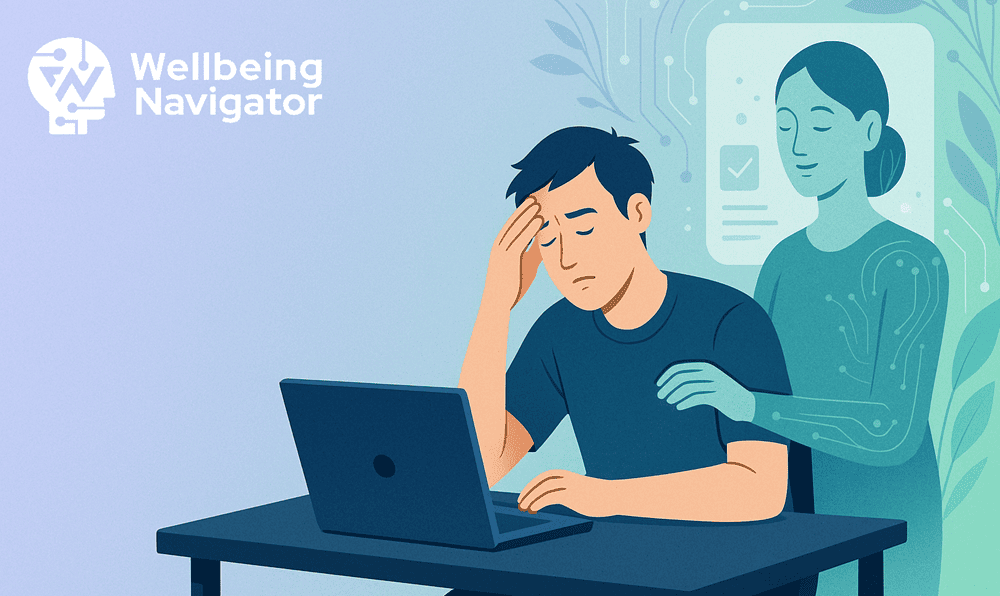
AI is no longer just automating repetitive tasks — it’s evolving into a partner for mental health support. Modern AI mindfulness tools and AI wellness coach platforms are helping employees identify stress triggers, apply calming techniques, and maintain mental clarity throughout the day.
Key benefits of AI stress reduction tools include:
- 24/7 availability — Employees can access help at any time, even outside working hours.
- Personalized recommendations — Tools learn from individual habits and responses to suggest the best coping strategies.
- Data-driven insights — Organizations can better understand workplace stress patterns without violating employee privacy.
How AI Stress Reduction Works in Practice
Here’s how these technologies are typically implemented:
| AI Feature | Function | Impact on Stress |
| Real-time sentiment analysis | Monitors tone of voice or writing patterns | Detects early signs of anxiety |
| Guided breathing & mindfulness | Offers short exercises during work breaks | Helps calm the nervous system |
| Smart scheduling | Suggests optimal break times based on workload | Prevents burnout cycles |
| Personalized alerts | Warns when stress levels are trending up | Promotes proactive stress management |
| Cognitive reframing prompts | Helps employees reframe negative thoughts | Improves emotional resilience |
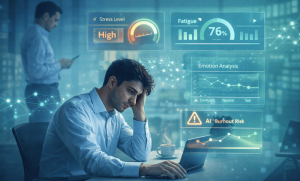
For example, a digital stress relief app could detect that a manager’s tone in team chats has grown tense over several days, then suggest a three-minute guided breathing session before their next meeting.
AI for Anxiety: A Workplace Game-Changer
Workplace anxiety often hides under the surface employees may still deliver on deadlines while silently dealing with racing thoughts, physical tension, or sleep problems. AI for anxiety tools help bring these issues into the open in a supportive, nonjudgmental way.
For instance:
- A real-time stress support feature could offer calming audio exercises when an employee’s smartwatch detects elevated heart rates during a difficult client call.
- An automated stress management assistant could suggest rearranging tasks for better pacing after identifying overload patterns in a project management tool.
Unlike one-size-fits-all programs, AI-driven approaches adapt to each employee’s personality, work style, and triggers.
Stress Reduction Tech That Scales
Small wellness programs can work for a handful of employees, but scaling them across hundreds or thousands of staff requires automation and consistency. That’s where stress reduction tech shines.
With the right integration:
- A corporate chatbot can be available in Slack or Microsoft Teams to deliver micro-break reminders.
- Wearable integrations can track biometric signals and deliver instant mindfulness prompts.
- HR dashboards can summarize anonymized wellbeing trends for leadership.
This balance of personalized care for individuals and aggregated data for leaders is what makes AI solutions particularly powerful for large organizations.
The Human + AI Partnership
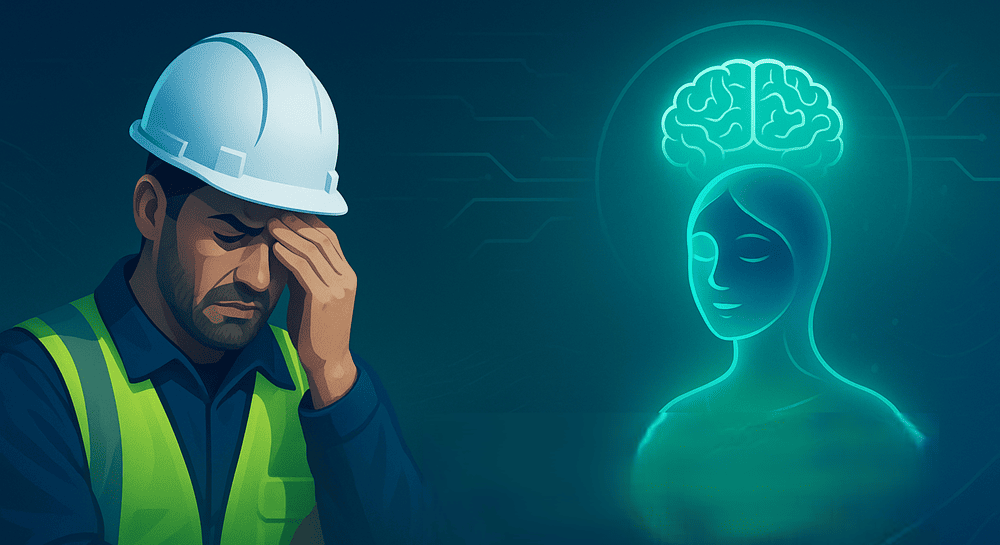
It’s important to stress (no pun intended) that AI is not replacing human support. Instead, it’s acting as a first line of defense, catching early signs of burnout before they escalate.
For example:
- An AI wellness coach could help a software developer manage rising tension during a tight sprint, while HR arranges counseling for deeper issues.
- A call center agent experiencing fatigue could get instant relief via AI mindfulness tools during their shift, while a supervisor follows up for ongoing support.
Practical Ways to Implement AI Stress Reduction in Your Organization
- Audit Current Stress Points
Identify bottlenecks and high-pressure moments in the work cycle. - Select the Right AI Tools
Look for platforms that combine AI mindfulness tools, real-time stress support, and reporting features. - Train Employees on Usage
Even the most advanced tech is useless if people don’t know how to access it. - Integrate with Daily Tools
Embed AI assistance directly into apps employees already use no extra login needed. - Measure Impact
Track improvements in employee performance, absenteeism, and retention rates.
Common Myths About AI Stress Reduction
| Myth | Reality |
| “AI will feel impersonal.” | Modern AI can adapt tone, pace, and suggestions to individual users. |
| “It’s too expensive.” | Many platforms are subscription-based, costing less than traditional wellness workshops. |
| “Employees won’t use it.” | Engagement rates are higher when AI tools are available on demand and embedded in workflow. |
Industry Example: AI in a High-Stress Healthcare Setting
In a hospital environment, nurses often face back-to-back emergencies. A pilot program introducing AI for social anxiety and stress monitoring through wearable devices resulted in:
- 27% fewer sick days over six months
- Improved patient satisfaction scores
- Staff reporting higher feelings of calm during shift changes
This demonstrates that AI stress reduction is not just theoretical it’s already proving effective in demanding workplaces.
Final Thoughts: AI as a Long-Term Wellness Partner
The shift to AI stress reduction is more than a tech upgrade it’s a cultural investment. By giving employees instant, personalized access to tools that calm their mind and restore focus, companies can improve morale, boost employee performance, and build resilience across teams.
In a world where stress moves fast, the ability to respond just as quickly can be a competitive advantage.