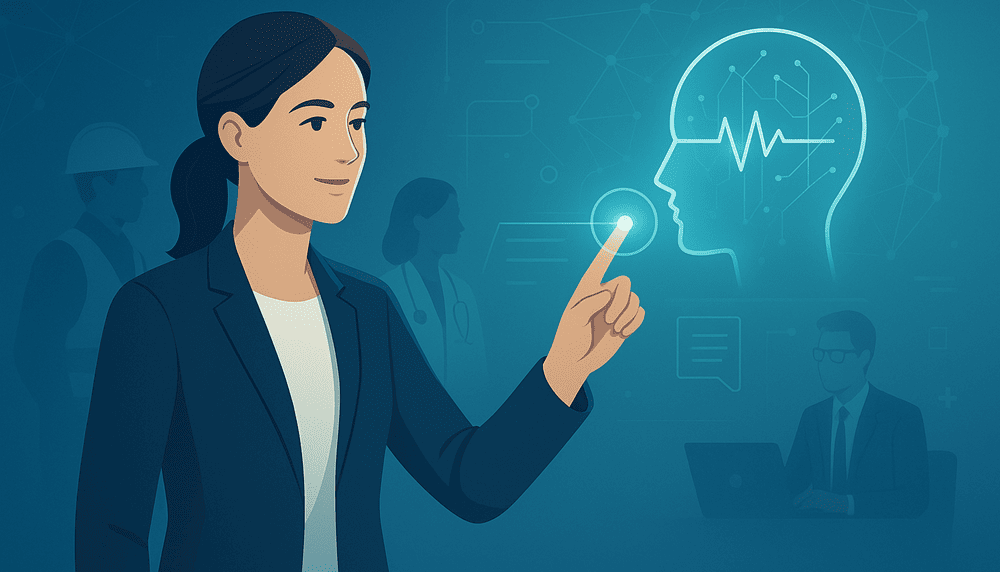
In today’s high-pressure work environment, companies are realizing that corporate wellbeing AI is no longer a luxury, it’s a strategic necessity. With stress, burnout, and mental health concerns on the rise, organizations are turning to AI-driven wellbeing platforms to create healthier, more productive workplaces. These tools are not just digitized versions of old wellness programs; they’re dynamic, data-driven systems capable of tailoring solutions to each employee’s unique needs.
From real-time stress detection to predictive mental health support, AI corporate wellness technologies are transforming how businesses invest in their people. And industry leaders are taking note.
Why Corporate Wellbeing Needs a Rethink
Traditional wellness programs like yoga days, fruit baskets, gym memberships may look good on paper, but they often fail to address deeper issues affecting employee health. The modern workforce needs workplace wellbeing technology that can operate proactively rather than reactively.
According to the American Institute of Stress, workplace stress costs US businesses over $300 billion annually in absenteeism, turnover, reduced productivity, and healthcare expenses. For industries like healthcare, construction, IT, and finance, these costs are even higher due to the high-stakes and high-pressure nature of the work.
This is where corporate wellbeing AI steps in providing targeted, measurable, and scalable solutions for employee mental and physical health.
How Corporate Wellbeing AI Works
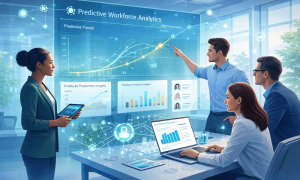
The beauty of AI health solutions for business is their adaptability. By analyzing vast amounts of data — from wearable health trackers, employee surveys, productivity metrics, and even workplace communication patterns — these platforms can:
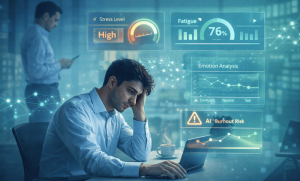
- Detect early signs of burnout or emotional strain
- Recommend personalized interventions through a digital wellness program
- Monitor engagement with wellness resources
- Provide managers with aggregated, privacy-protected insights to support their teams better
For example, an AI-driven wellbeing platform might notice that a team’s productivity dips sharply at the end of each quarter. The system could suggest structured mindfulness breaks, workload redistribution, or even micro-learning stress management sessions.
Benefits for Businesses and Employees
Implementing corporate wellbeing AI benefits everyone in the workplace ecosystem:
| Benefit | For Employees | For Businesses |
| Personalized Support | Tailored resources to meet personal health needs | Higher engagement and morale |
| Early Detection | Identifies stress before it becomes overwhelming | Lower absenteeism and turnover |
| Convenience | Accessible anytime, anywhere | Scalability across global teams |
| Privacy Protection | Data anonymized and secure | Complies with HR and health data regulations |
Real-World Applications in Different Industries
One of the strengths of AI corporate wellness systems is their flexibility. Let’s look at how different industries are using them:
- Healthcare – AI tools track clinician stress levels and recommend short recovery routines between shifts, improving patient safety.
- Construction – Wearables detect fatigue and dehydration risks, triggering alerts for hydration or rest.
- IT & Tech – AI helps identify signs of IT burnout, offering workplace mindfulness resources and micro-break reminders.
- Finance – Predictive analytics forecast high-stress cycles, prompting resilience training ahead of time.
Making Corporate Wellbeing AI Work in Your Organization
For leaders considering adoption, here are practical steps to integrate employee wellbeing AI effectively:
- Start with a Needs Assessment
Understand your employees’ pain points and wellbeing priorities. This could involve surveys, focus groups, or analyzing HR data. - Choose the Right Platform
Look for an AI-driven wellbeing platform that aligns with your culture, offers customizable programs, and supports integration with your HR systems. - Prioritize Privacy and Trust
Transparent communication about how employee data will be used is essential for adoption. - Involve Management Early
Leaders must model healthy behavior and encourage participation. - Measure and Optimize
Use analytics to track progress and refine programs over time.
The Shift from Perks to True Wellbeing Strategy
The adoption of holistic corporate wellness powered by AI marks a shift from superficial perks to deep, strategic employee care. It’s not about offering free snacks or gym discounts; it’s about building a workplace where employees can thrive mentally, emotionally, and physically.
Leaders now understand that investing in employee wellbeing solutions also boosts innovation, reduces turnover, and strengthens brand reputation.
Future Trends in Corporate Wellbeing AI
The next wave of corporate wellbeing AI will likely include:
- Emotion recognition through voice and facial analysis (with consent)
- Integration with personalized wellness AI for home and lifestyle support
- AI-assisted group coaching sessions for mental health at work
- Predictive mental health modeling to prepare teams for stressful projects
Final Thoughts
The corporate world is at a tipping point. As employee expectations shift and mental health challenges grow, forward-thinking organizations are embedding AI wellbeing into their culture. Done right, these systems aren’t just tools — they’re catalysts for a healthier, more resilient workforce.
For industry leaders, the question isn’t if they should invest in corporate wellbeing AI, but how quickly they can adopt it to stay competitive and support their people.
A healthier workplace is not a side project it’s the foundation of long-term business success.