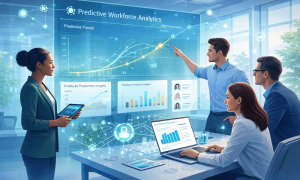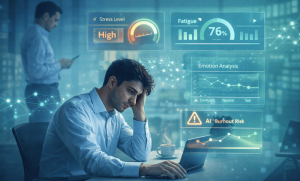
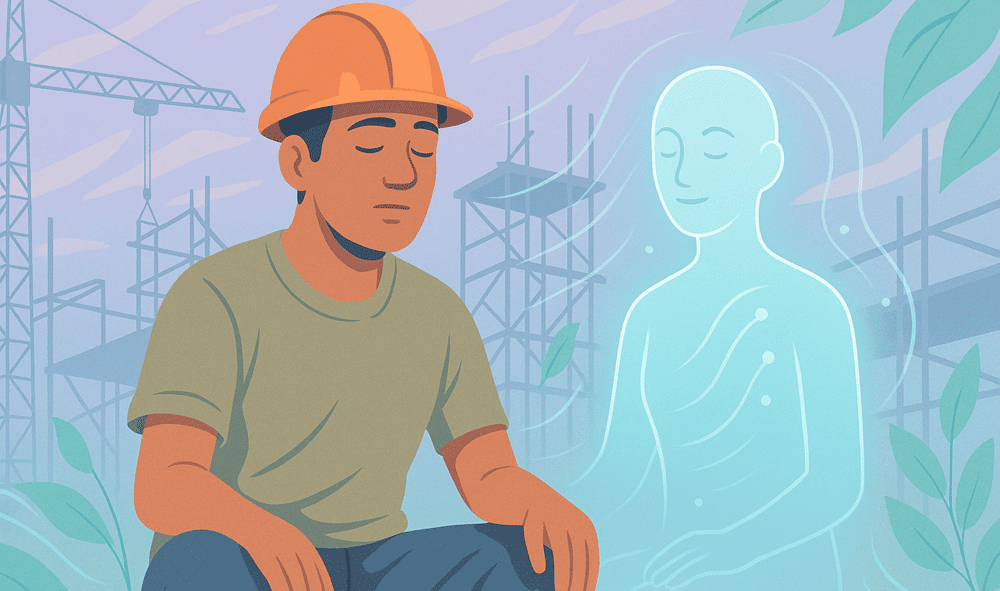
The construction industry is no stranger to pressure. Between tight deadlines, safety concerns, and physically demanding tasks, construction workers often face high levels of stress. But what if technology could step in not just to improve efficiency, but also to support mental wellbeing? That’s exactly where AI for construction worker support is making an impact. With intelligent tools designed to reduce stress and encourage mindfulness, a new digital era of support is emerging for one of the world’s toughest professions.
The Mental Health Landscape in Construction
According to the CDC, construction workers experience one of the highest suicide rates among all occupations. Mental health issues in this industry are often compounded by long hours, inconsistent work schedules, and a culture that historically resists conversations about emotional wellbeing. Despite growing awareness, the stigma still looms large.
But there’s a shift happening.
More companies are beginning to understand the value of workplace mindfulness a practice that helps workers focus on the present moment, manage stress more effectively, and reduce burnout. Now, AI is making this even more accessible.
How AI Enhances Mindfulness on the Jobsite
AI tools aren’t just for robots and blueprints—they’re increasingly being used to support emotional health. AI for construction worker applications are now being deployed to monitor stress, promote breaks, and suggest mindfulness techniques tailored to an individual’s condition.
Here’s how it works:
- Wearable Sensors: Devices track physiological data such as heart rate and body temperature, using AI algorithms to identify early signs of stress.
- Chat-based AI Coaches: Workers can engage with friendly digital assistants trained in mindfulness practices to help them stay grounded.
- Personalized Microbreaks: AI systems can suggest short, effective mental breaks based on each worker’s stress level and job demands.
These tools help bring AI mental wellbeing into real-world, high-pressure environments like construction sites.
Why Construction Leaders Should Pay Attention
Ignoring mental health can cost the industry more than morale—it affects safety, productivity, and retention. According to the Construction Industry Institute, jobsite distractions due to mental fatigue can increase the likelihood of accidents by 23%.
AI for construction worker support offers an efficient and scalable way to improve mental clarity and focus. It also allows for:
- Proactive Wellbeing Monitoring
- Non-intrusive Mental Health Support
- Private and Stigma-Free Assistance
AI doesn’t judge. It simply provides help when and where it’s needed.
Real-World Example: AI in Action on Site
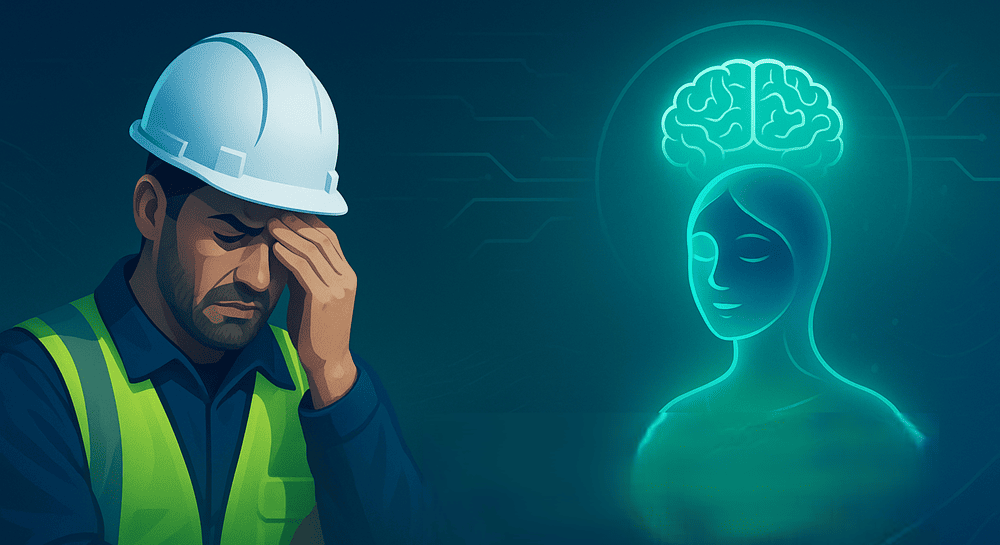
Let’s take a hypothetical case: A mid-sized construction firm deploys wearable AI-powered devices for its crew. The data shows increased stress levels every day around 3 PM—likely due to fatigue and workload peaks. With this insight, the company introduces brief AI-guided mindfulness breaks right before this spike.
In just six weeks:
- Productivity rises by 12%
- Reported stress levels drop by 19%
- Workers report feeling more focused and appreciated
It’s not magic. It’s just smart use of technology.
What Makes AI Tools Effective in Construction?
The effectiveness of AI for construction worker support comes from how it blends into daily work without adding friction. Tools are designed to be:
- Mobile-friendly: Operable on-site without disrupting workflow
- Multilingual: Supporting diverse workforces
- Data-Driven: Learning from past patterns to make better suggestions
Construction workers aren’t asked to meditate for 30 minutes. Instead, AI might prompt a worker to take three deep breaths, stretch for 60 seconds, or shift tasks briefly.
This bite-sized mindfulness approach improves focus and mental clarity.
AI Mindfulness Isn’t Just a Trend It’s a Safety Tool
We often talk about personal protective equipment (PPE) in construction. Think of AI mental wellbeing tools as digital PPE for the mind. When stress management becomes a part of your site’s safety strategy, everyone benefits.
“When workers are mentally present and emotionally steady, they’re less likely to make mistakes—and more likely to go home safe.”
AI-guided mindfulness can serve as an early intervention tool, identifying issues before they evolve into larger risks.
Expanding AI Support Beyond Construction
While construction sees major benefits, similar AI tools are being applied across other high-risk industries too:
- Mining: See how mental health support for miner initiatives are incorporating AI to help workers in extreme environments.
- Oil & Gas: Check out how AI for oil and gas workers is used for emotional monitoring and burnout prevention.
These examples show that AI for wellbeing isn’t limited by profession it adapts to the challenges of the workplace.
What Leaders Should Do Next
If you’re leading a construction company, consider:
- Assessing current mental health support in place
- Exploring AI tools that integrate seamlessly into existing workflows
- Training your managers to use these tools for daily team check-ins
- Monitoring results to track improvements in mood, focus, and safety
The initial investment is modest—but the returns, in productivity and morale, are significant.
In Summary
AI for construction worker wellbeing is more than just a promising idea—it’s a necessary shift for an industry grappling with stress and burnout. By integrating workplace mindfulness practices through intelligent technology, construction leaders can build safer, healthier, and more resilient teams.
And the best part? It doesn’t require sweeping changes.
Just the decision to start.